This is a painting done on Adobe Photoshop with the Wacom tablet of the beetle Goliathus goliatus, one of my favorite insects. I used dry brush painting tools to create this image starting with a trace layer, adding on base colors, and then shadows and highlights. I think this training by far has been my most favorite because I enjoy drawing a lot and feel like there’s more versatility in drawing with pen. However, there is still a lot for me to try out so there may be something that is even better or as equally fun to do. Hopefully in the future the opportunity to create more illustrations will be handed to me in an assignment. For now this is what I came up with and am pleased with how it turned out.
Training: Photo ID and Buttons
On the left in blue are the buttons that I manipulated as directed in my instructions given to me. The image on the right is what the template layout was originally. The button colors were picked from a color template set.
Other things I did today…photo ID editing! Chloe Kim showed me how to touchup, resize and format, as well as notify the people about the photos. Thanks!
Graphic Services Page Redesign
The Rise of Everyday Design
Last week, Suloni encouraged us to go to the Harry Ransom Center for “The Rise of Everyday Design” exhibit. Personally, I’ve never been to HRC, and I regret it so much, because I had 4 year to visit this amazing place that archives various artworks. But, nevertheless, I was fortunate enough to go before I graduate this May! So thank you, Suloni.
This exhibit showed a new and detailed look at the history of the Arts and Crafts movement that took place in America and in Britain. My eyes were first drawn to the “Glass shots.” The sketches were so colorful, so simple yet so intricate… And the labelling of the sketches and the description felt like I was reading the artist’s mind.
I also realized that there were great number of books with illustrations and various typography. I have no idea how artisans from the old days did it but… They are SO talented, and I have no idea how they were able to get the exact details without photoshop or anything… Kudos to them. I was interested in illustrations with women in the mid 1800’s to early 1900’s and their depiction in various novels.
mmm, the use of text & colors…

I also have a very special place in my heart for Shakespeare’s works…
I am also a huge fan of b&w works, as well as designs that effectively use negative space:
ugh yes INK!!!!!! so beautiful!
Beautiful sketches & line works.. I am definitely drawn to line drawings, as well as flowers (:
A little shoutout to this amazing architectural drawing:
I am also in love with patterns, vibrant colors/ earth tones, and geometric shapes. Kind of goes hand in hand with clean-cut line drwaings… So obviously, I was in love with this particular section of the exhibit:
And last but not least… Thought this was just hilarious.
5-1-19
Podcasting!
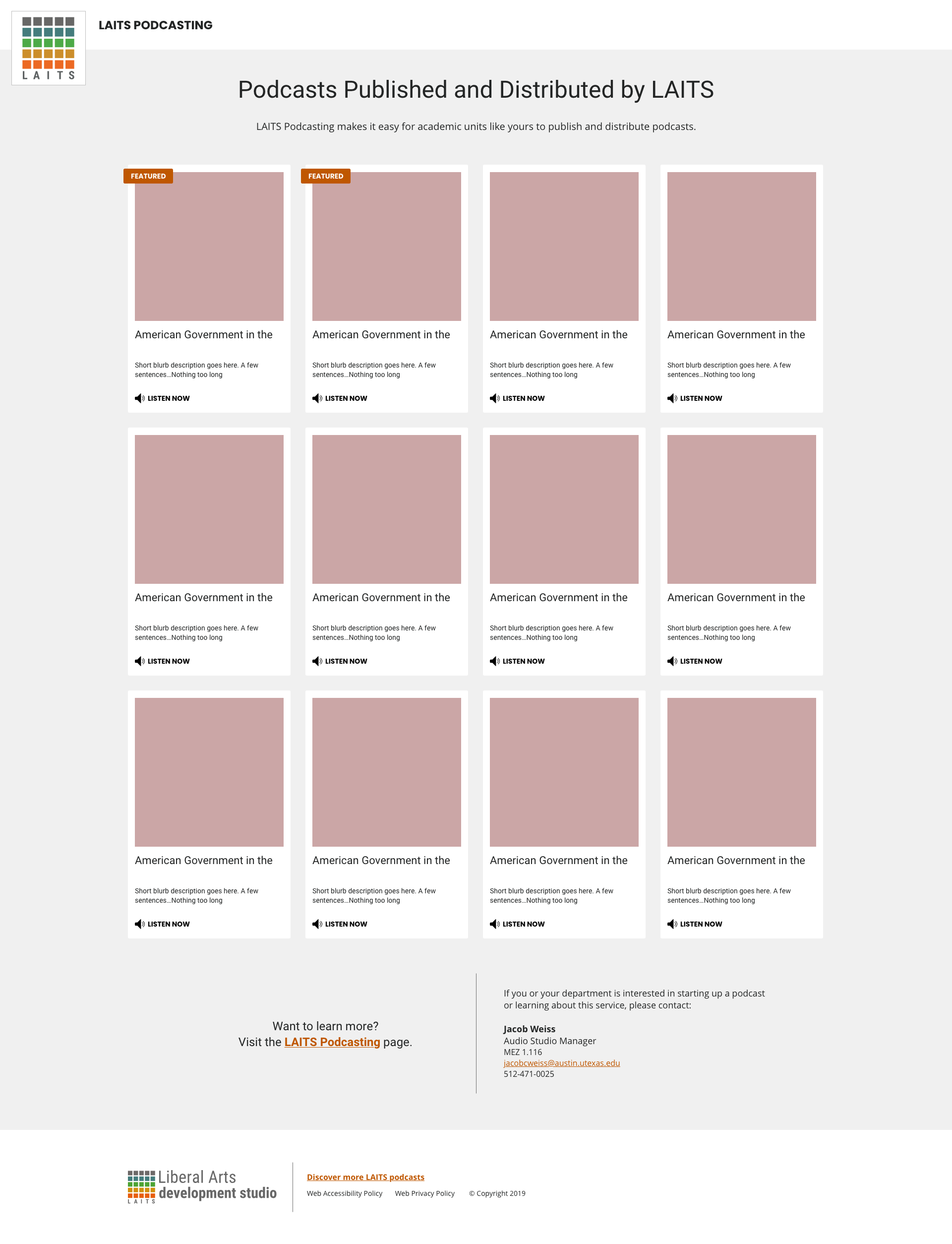
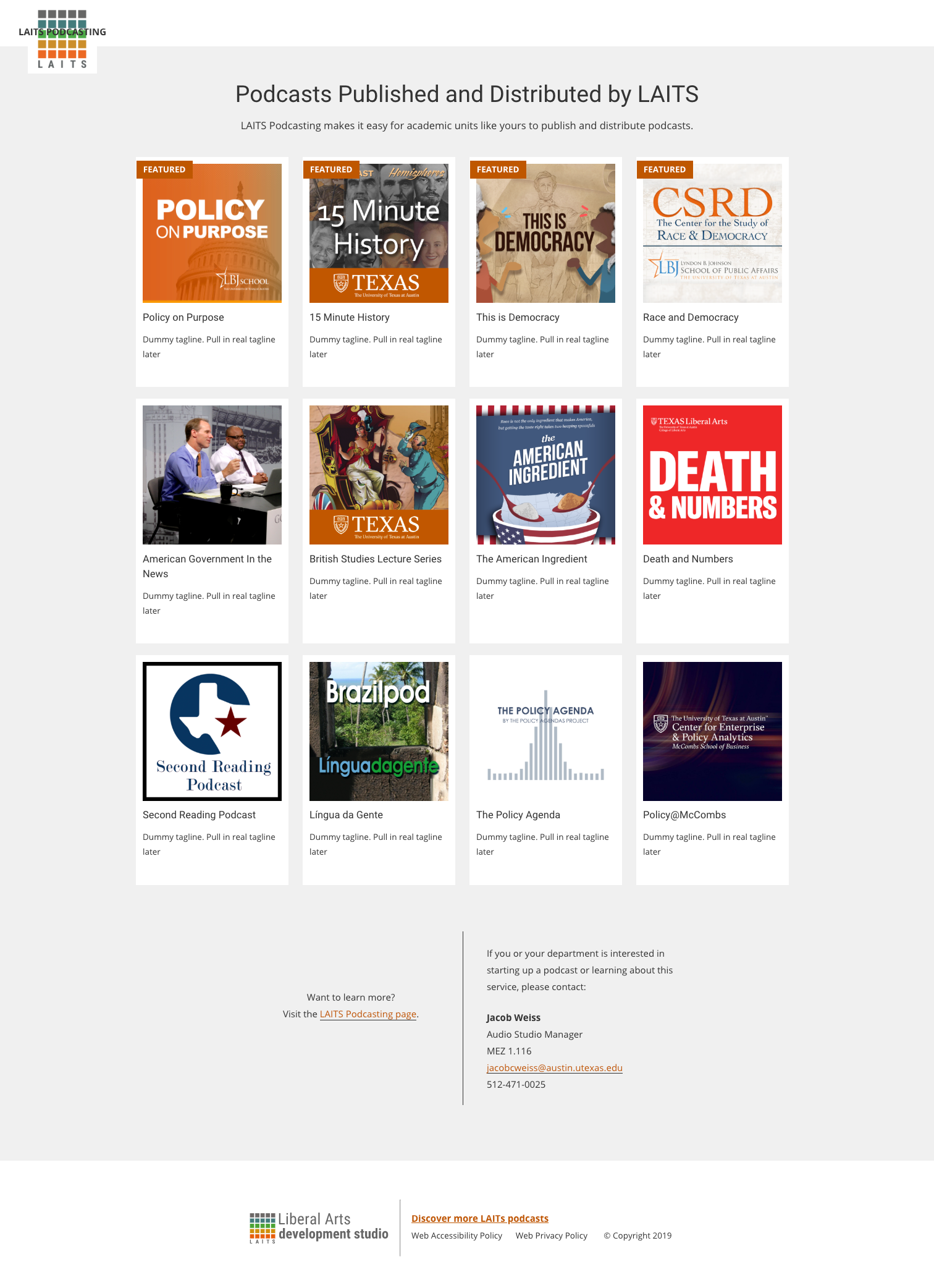
It’s been a long time since I posted updates on the podcasting sites! Since my last screenshots I have refined the overall styling and applied my CSS for 15 Minute History to all of our podcast sites. Here are some shots of the most current versions –

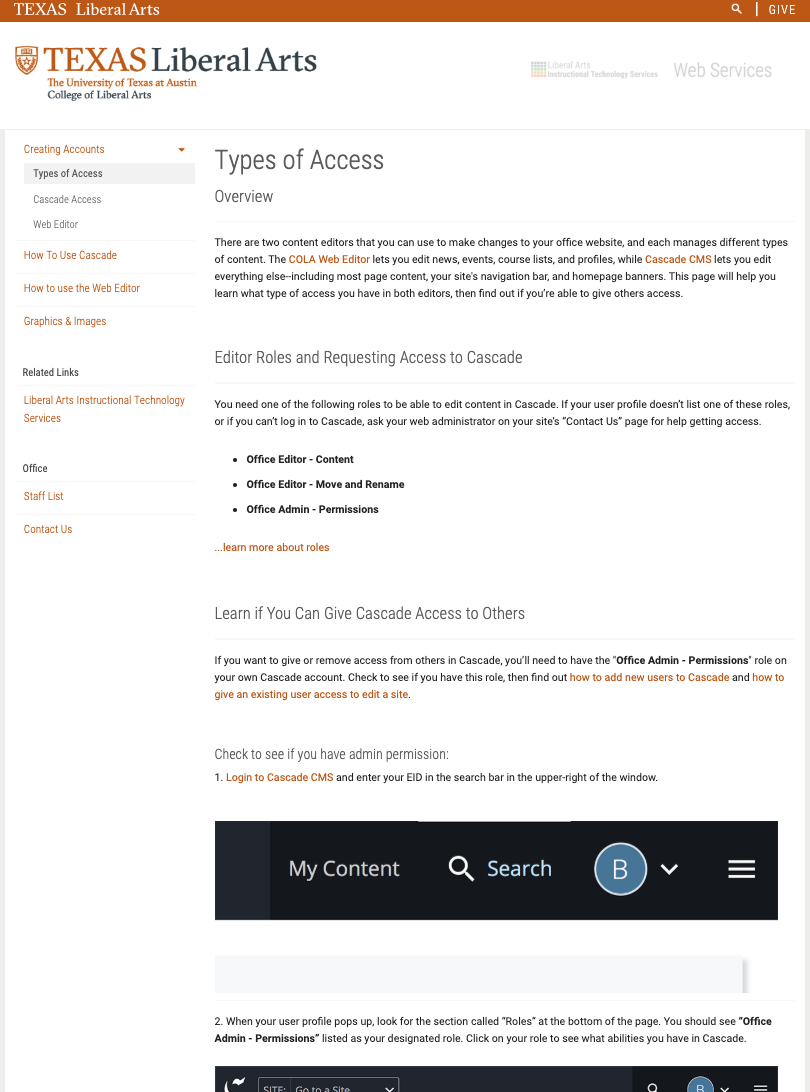
I initially used clip-path property to round the speaker images but it was not compatible with Firefox, Safari or IE. I corrected the issue by using border-radius to create the circular images and it gives off the same effect! I also added a drop shadow to the cards because the flat design wasn’t looking very finished. Overall the light grey content area, colored headers and increased title text size added a lot more interest to the site. I plan to update the default audio player and leave only a large play/pause button similar to the styling on This American Life (https://www.thisamericanlife.org/).
Another big change I’ve made is adding a color palette for client’s to choose from that corresponds to their branding. To select these colors I looked at UT’s brand guidelines and worked with Suloni to choose shades with high enough contrast to my white title text.
For the muted colors I found inspiration from the Pinterest loading cards. (I’ll add this image later). I chose corresponding link shades for all color options available.
A challenge in applying my 15 Minute History styling to the other pages was how it affected the American Ingredient site. This site features a global search function separate from our Episode and Guest search pages. I’m still not confident on this placement of this sidebar but all content on the site is behaving responsively at last! 

Stacy and I met with the podcasting client last Friday to gain feedback on our progress and design so far. The client was pleased with the responsiveness and search features as well as the uniformity. He did request a LAITS podcast homepage be created that features logos from each podcast that link to their respective sites. This design as well as what’s included in the footer will be decided once the individual sites are completed. This has been such a good experience to get back into coding and learning how to customize a WordPress theme!
HRC Visit
Rise of Everyday Design at the Harry Ransom Center
On Monday I went to the Harry Ransom Center to visit their Rise of Everyday Design exhibit. I had never gone to an exhibit in the Harry Ransom Center so I was eager to head over from my shift and see one, especially because it was on design. When I went in I was excited to see the exhibit was focused on the Arts and Crafts Movement. Last year, I took a course called The History of Design and it focused primarily on the Arts and Crafts Movement taught by Dr. Monica Pennick. Walking through the exhibit I saw lots of familiar names. In class we had learned about Ruskin, Pugin, William Morris, etc so I was excited to see these names and pieces we had learned about in person. It was crazy to me that UT has such an amazing resource like the HRC on campus for students to use.
What was so interesting to me about the exhibit and the Arts and Crafts movement is the struggle between elevation in design and high-quality craftsmanship versus egalitarian design. The Arts and Crafts Movement was centered on the fundamentals of handcrafted and well-made design. However, over time and increasing popularity of Arts and Crafts products there was a push for manufacturing products for the masses. I wonder if craftsmanship should be sacrificed for the purpose of making it more accessible? Was the Arts and Crafts movement tarnished when it made its way to the US and became a product of capitalism? On the other hand, is it right to limit “good design” to only those who can afford it? In the end, I think that design, different from art, is more responsible in making products that are “good design” but also egalitarian. There can be fine art, but it is a designer’s job to make art more accessible to the masses.
- « Previous Page
- 1
- …
- 40
- 41
- 42
- 43
- 44
- …
- 91
- Next Page »