• We are STAs
    • Asha Rountree
    • Haley Ma
    • Kate Shih
    • Kyra Lee
    • Nicholas Peasley
    • Sasha Kenney
    • Shanda Horm
    • Shriya Atreya
    • Tomas Marulanda-Mesa
  • We were STAs
  • STA Presentation
    • STA Presentation 2017
    • STA Presentation 2016
  • Testimonials
  • Resources
  • Home

STA Blog

Project: UTCF Project Management

March 22, 2024 By Leilani Cabello

UTCF Project Management

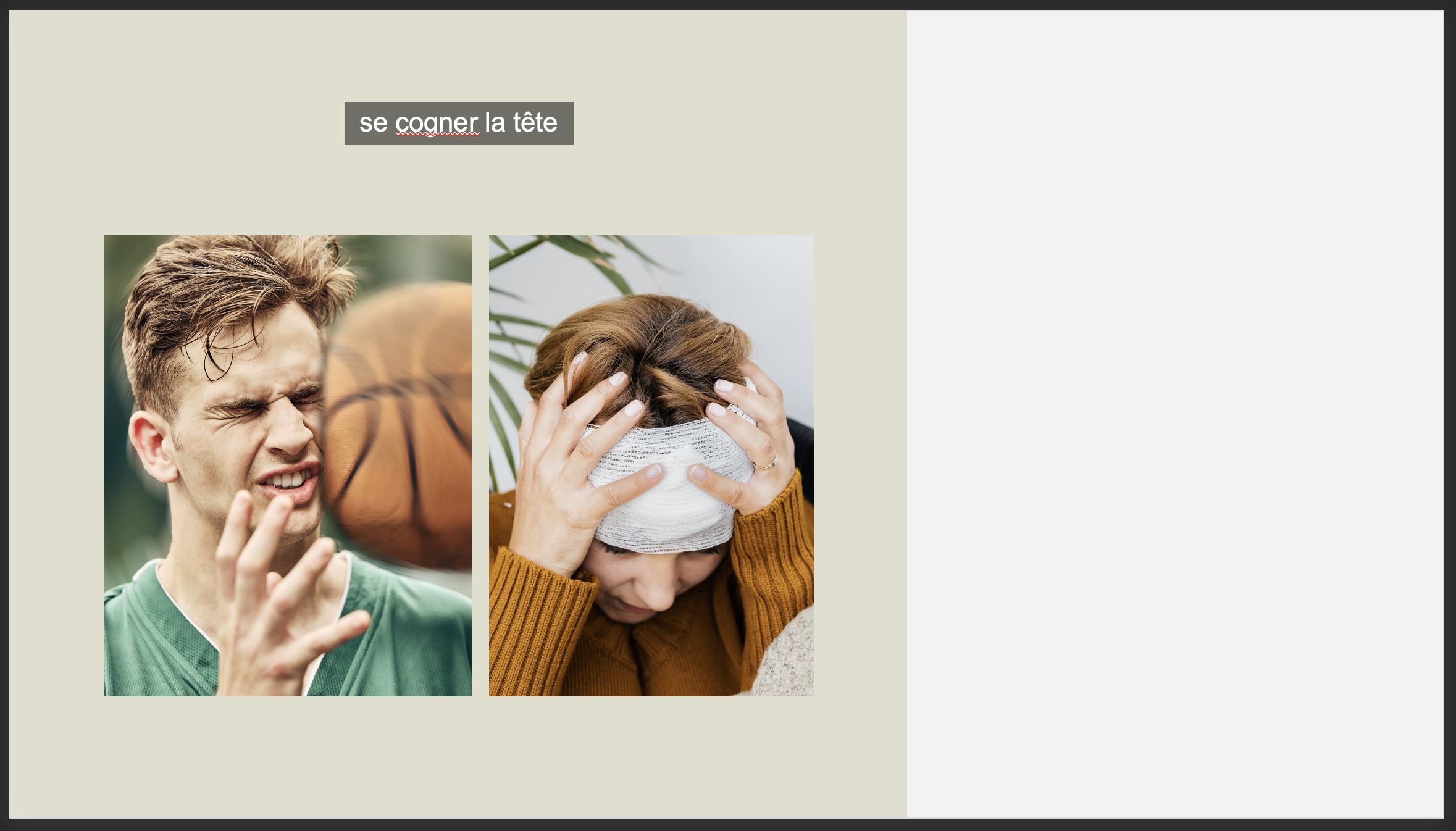
The Project Brief: Managing the Connexions Francophones (UTCF) project for the University of Texas has been both a challenging and rewarding endeavor. The project aimed to create an e-French textbook to provide an immersive learning experience for students. My role as the project manager involved overseeing the creation of digital assets, including banner graphics for chapter breaks, PowerPoint presentations for lessons, and curating appropriate images to complement the textbook content.


The Process: The process of creating these assets requires meticulous planning and execution. One of the first tasks I undertook was to develop a comprehensive tutorial on creating graphic assets, specifically the banner for chapter breaks. This tutorial covered everything from image editing in Photoshop to banner creation in Adobe Illustrator. It was designed to guide my team members, ensuring consistency and quality in our outputs. For instance, the tutorial detailed steps for cutting out images, adjusting their contrast and exposure, and then incorporating these images into banners that align with the textbook’s aesthetic and pedagogical goals.


Simultaneously, I developed a system to keep track of assignments and their progress. I created a detailed spreadsheet that listed each lesson’s specific tasks, such as green screen effects, banner creation, and backdrop development. This spreadsheet included links to Basecamp and Box folders for each task, allowing team members to easily access and upload their work. It also tracked the project status and due dates to ensure we stayed on schedule. This level of organization was crucial in managing the complexity of the project and facilitating effective collaboration among team members.
One of the significant challenges was ensuring that all the digital assets we created—whether banners, images, or presentations—were not only aesthetically pleasing but also pedagogically effective. This meant selecting images that accurately reflected the cultural and linguistic content of each lesson and designing banners that would visually segment the textbook in a way that enhanced students’ learning experience.


Another challenge was the collaborative aspect of the project. Guiding coworkers through these processes required clear communication and patience, especially when introducing them to new software or design principles. I held regular meetings to discuss progress, address challenges, and share feedback. This collaborative environment not only improved the quality of our work but also fostered a sense of community and shared purpose among the team.

The Outcome: The outcome of our efforts is a visually engaging and educationally rich e-French textbook that stands as a testament to our team’s dedication and skill. The textbook’s design, enhanced by custom graphics and carefully curated images, provides an immersive learning experience that we hope will engage students and facilitate their exploration of the French language and francophone cultures.

Overall, managing the UTCF project has been a deeply fulfilling experience. It has challenged me to grow as a leader and a designer, taught me the value of meticulous organization and effective collaboration, and ultimately allowed me to contribute to an innovative educational resource that will impact French learners for years to come.

Filed Under: Fall 2023 - Spring 2024, We are STAs

Project: Visting Students Site

March 22, 2024 By Leilani Cabello

Visting Students Webpage

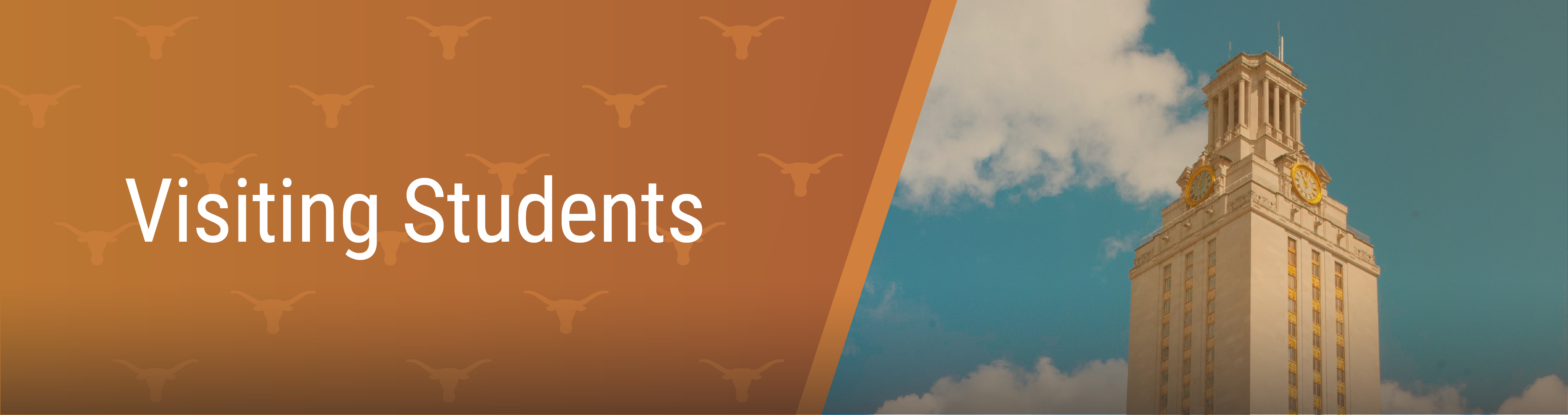
The Project Brief: The project brief tasked me with creating a webpage dedicated to visiting students interested in summer online courses at UT Austin. The goal was to design a page that not only visually appealed to prospective students but also clearly communicated the opportunities available to them, making navigation intuitive and the enrollment process straightforward. This involved designing custom graphics, including a banner, editing images for cohesion, and structuring the content to ensure a seamless user experience.


The Process: The process was particularly challenging due to the unique structure and requirements of this page compared to other sections of the site. For instance, the banner design underwent several iterations to ensure it was both informative and visually compatible with varying screen sizes, a critical consideration given the diverse devices potential students might use to access the site. Feedback highlighted the need to avoid overly specific imagery, such as the UT tower, which could mislead users about the nature of the online courses.


The final banner design, therefore, leaned towards an abstract representation of studying from anywhere, aligning with the theme of accessibility and flexibility. Adjusting the website’s color scheme and text placement to mitigate the dominance of UT’s traditional orange and to enhance readability across different devices posed additional challenges. Ensuring that the courses were presented in an organized and accessible manner required careful consideration, especially given the directive to sort courses alphabetically while maintaining clarity regarding term offerings. This aspect was further complicated by the pre-existing organizational structure, which differed from other parts of the site, requiring a thoughtful approach to integrate seamlessly.

Collaboration and iteration were key aspects of this project. Feedback from various stakeholders guided adjustments to the visual elements and content presentation, ensuring the page not only met UT Austin’s branding standards but also addressed the needs and expectations of prospective students. The project exemplified the importance of flexibility, creativity, and user-centric design in developing an effective digital communication platform.


The Outcome: The outcome is showcased on the website, reflecting a carefully curated balance of informational clarity and visual appeal. Custom graphics, such as the banner at the top, were crafted to immediately capture the essence of summer learning at UT Austin. Editing existing images and selecting new ones ensured that each visual element contributed to the narrative of flexibility and accessibility that is central to the summer online courses. In conclusion, despite the structural challenges and the need for several iterations, the project was a fulfilling opportunity to contribute to UT Austin’s outreach efforts, providing a welcoming and informative online space for visiting students interested in summer courses. The final webpage stands as a visual for collaborative problem-solving and the effective integration of design and content strategy to enhance user experience.

Filed Under: Fall 2023 - Spring 2024, We are STAs

Project: Alcalde Ad

March 22, 2024 By Leilani Cabello

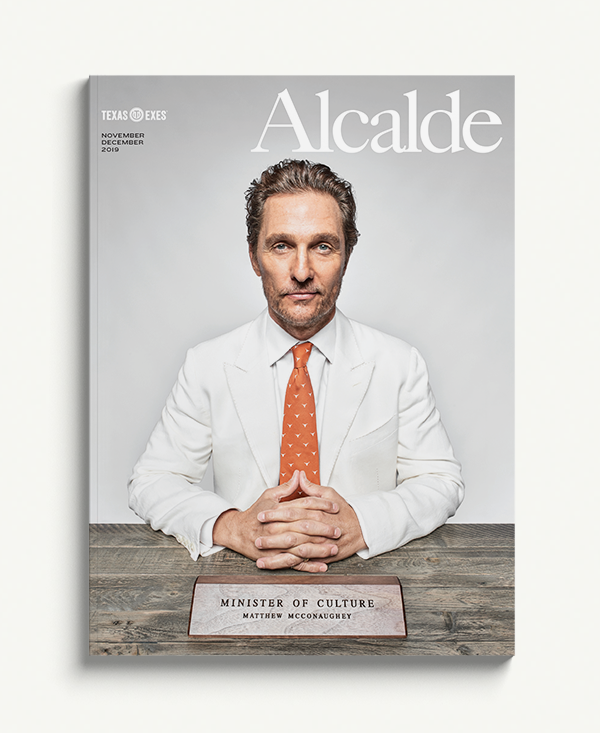
Visting Students Alcalde Advertisement

The Project Brief: The brief for this project was to create an engaging magazine advertisement for Alcalde magazine, aimed at promoting UT Austin’s summer online courses for visiting students. The goal was to design an ad that not only captured the essence of summer learning at UT Austin but also emphasized the flexibility and accessibility of these courses, allowing students to study from anywhere.

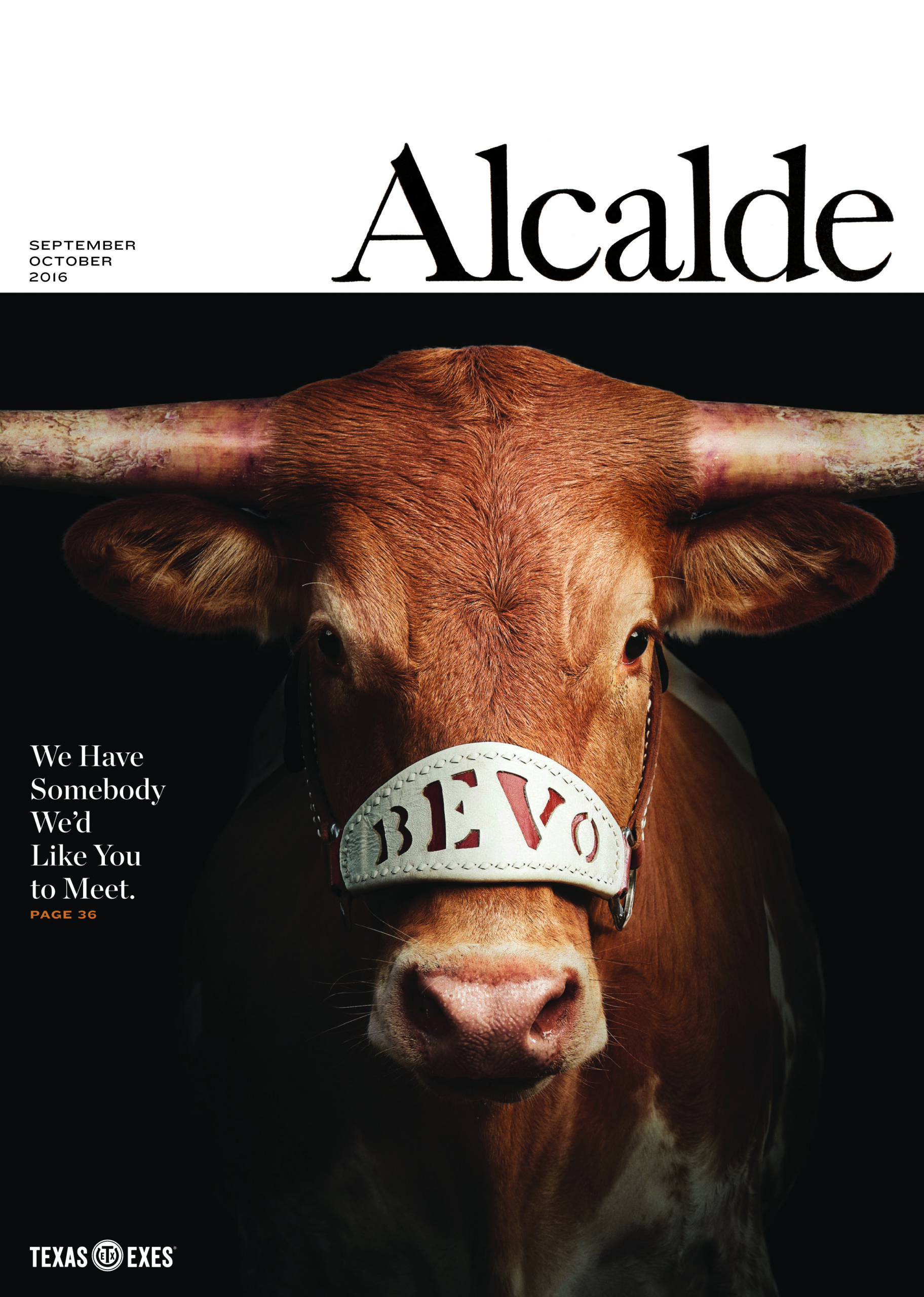
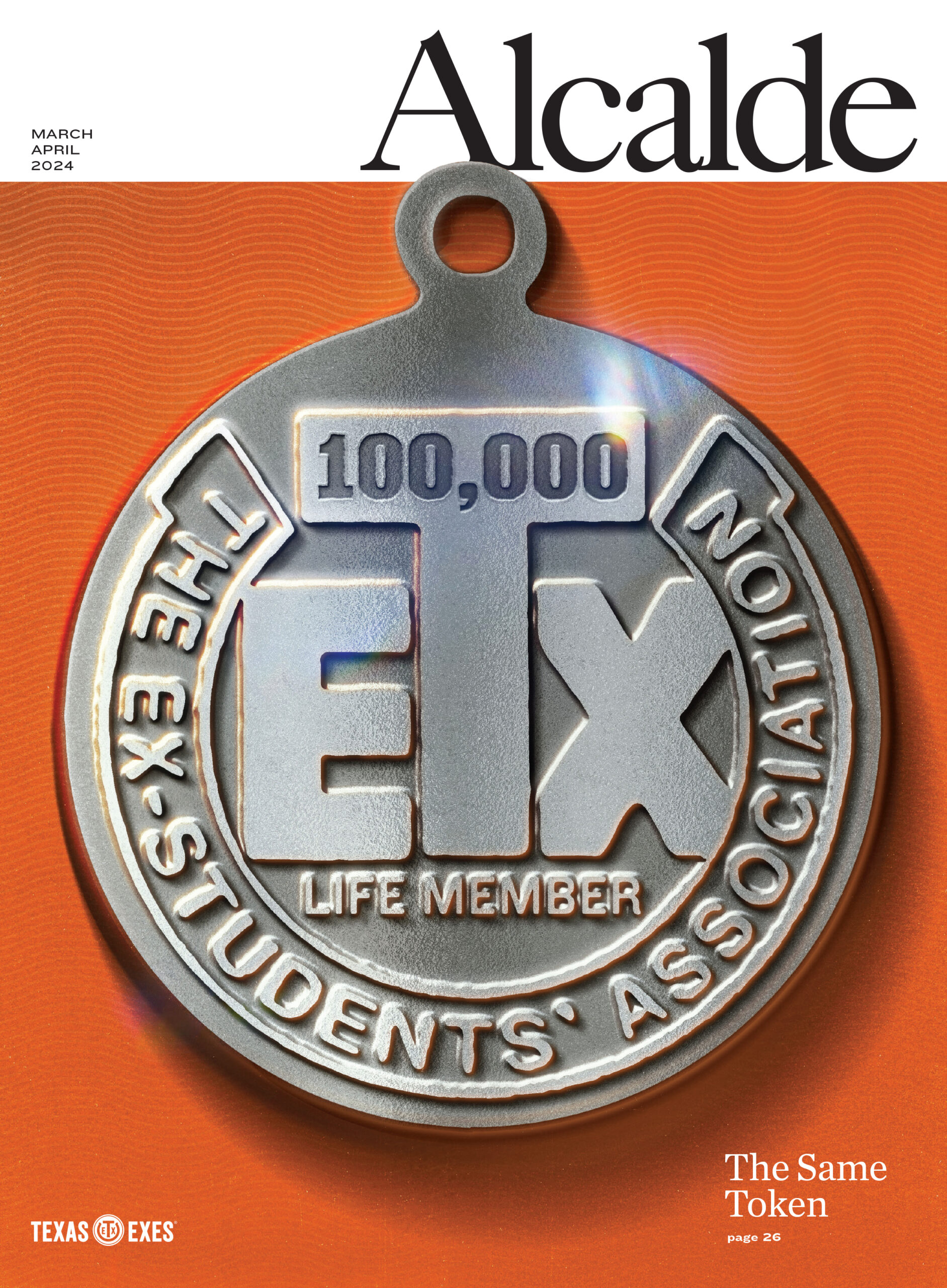
Notable Issues from the Past:


The Process: The process involved several stages of iteration and feedback. Starting with inspirations and initial design concepts, we explored different themes to capture the summer vibe and UT Austin’s brand. We experimented with various layouts, including simplistic designs with color backgrounds and more complex scenes that transported viewers to ideal study locations. Through collaborative feedback, we refined the ad to include elements like sunglasses and a cold drink to emphasize the leisure aspect of summer learning, alongside academic pursuits.
Significant attention was given to the ad’s textual content, ensuring clarity and engagement. This involved careful placement of the main message, adjusting font sizes for emphasis, and integrating the UT logo to strengthen brand identity. We also optimized the QR code for easy access to more information, ensuring a seamless user experience.

Feedback: Feedback from the team led to further refinements, such as adjusting the call to action and ensuring the UT Austin courses’ value proposition was clear. The final design balanced the ad’s visual and textual elements, resulting in an advertisement that was both aesthetically pleasing and informative. The project was a testament to the power of teamwork, creativity, and attention to detail, culminating in an advertisement that successfully marketed UT Austin’s summer online courses to prospective visiting students.

The Outcome: The outcome was a visually appealing advertisement that effectively communicated the ease and enjoyment of summer learning. Featuring a serene background that suggested a summer setting, the ad combined imagery of a laptop, sunglasses, and a refreshing drink to convey the idea of studying in a relaxed environment. The final design prominently featured the “UT AUSTIN” branding, along with a clear call to action for visiting students, highlighting the affordable course offerings available.

This Month’s Issue Cover + Finished Advertisement


Filed Under: Fall 2023 - Spring 2024, We are STAs

Project: Travel Behavior & Demand Center

March 22, 2024 By Leilani Cabello

Project: Travel Behavior & Demand Center

Project brief: The project’s brief was to design and develop a new logo and website for the TBD Center at The University of Texas at Austin, focusing on travel behavior and demand, alongside creating a new logo that encapsulates the center’s identity and mission. My goal was to provide a modern, user-friendly website that effectively communicated the center’s research, projects, and findings, along with a logo that was both compact and reflective of the center’s focus on movement and dynamism, as per the client’s preference for incorporating an arrow element similar to that in the CTR logo.

The Process: The process began with a collaborative effort between the design and development teams. My role primarily revolved around curating the website’s design and style, ensuring it aligned with the newly developed logo and the center’s branding requirements. This involved close coordination with the web development team, which focused on the technical aspects, including backend functionalities and ensuring the website’s performance and accessibility.


The Logo: My design process for the logo involved initial research and sketching, discussing different iterations, and making adjustments based on feedback. This iterative process, which included client consultations and refinements, resulted in a logo that was both representative of the TBD Center’s identity and visually aligned with the website’s overall design. The final logo was selected after several rounds of revisions, ensuring it met the client’s vision of being strong, compact, and dynamic, with the inclusion of an arrow within the letters to symbolize movement.

The Outcome: The outcome was a visually cohesive and functional website that not only met but exceeded the client’s expectations. The website, showcased at https://tbd.ctr.utexas.edu, effectively serves as a platform for the TBD Center to highlight its work and engage with its audience. The project was a testament to the power of collaborative teamwork and the importance of a client-centered design approach.

Filed Under: Fall 2023 - Spring 2024, We are STAs

Psychology Lab Template V2

March 21, 2024 By Carrie Wang

Psychology Lab Template V2

Start: Mar 18th, 2023

To be Completed: N/A

Staff Guidance: Stacy

Client:  All future psychology lab clients

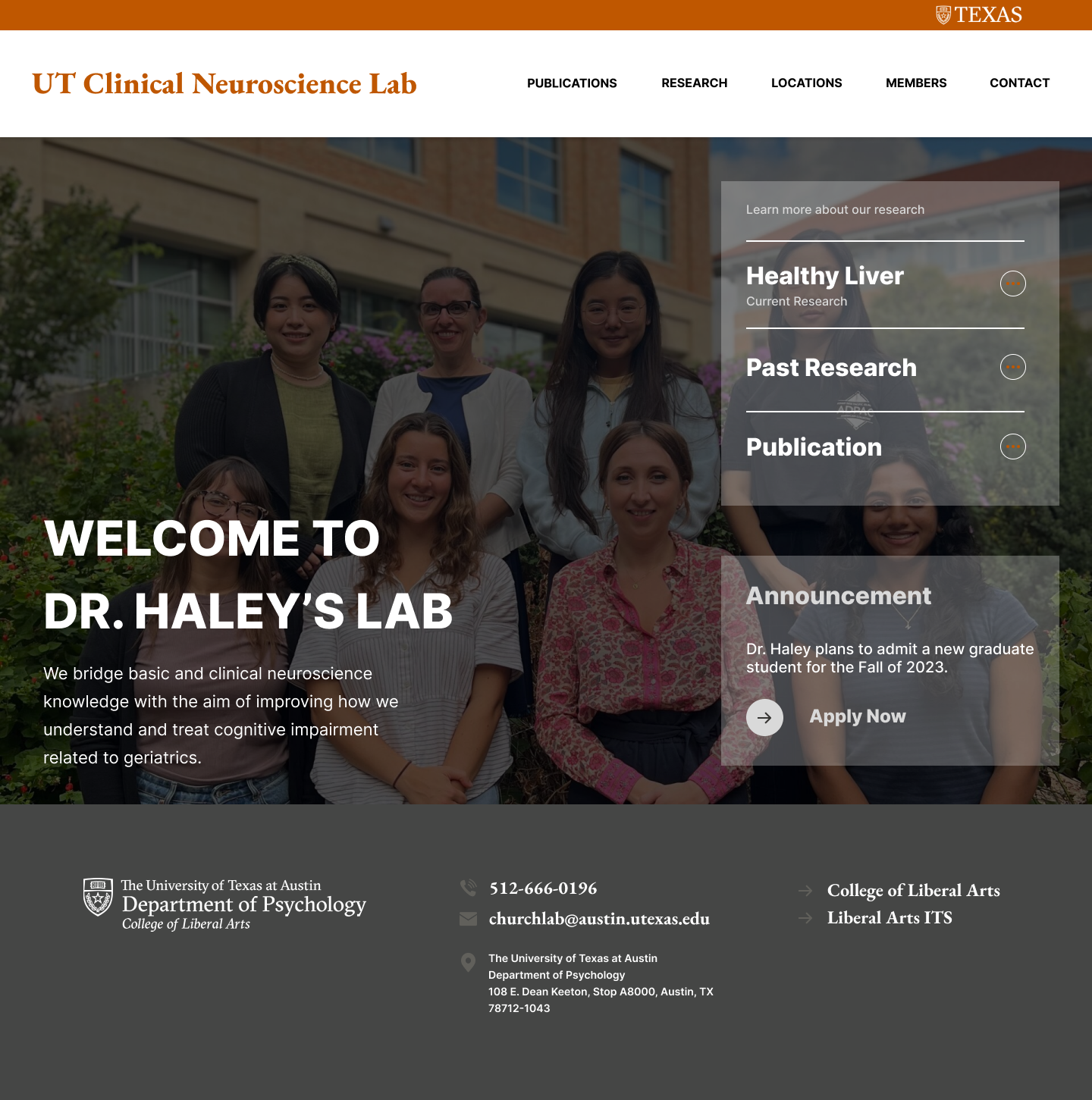
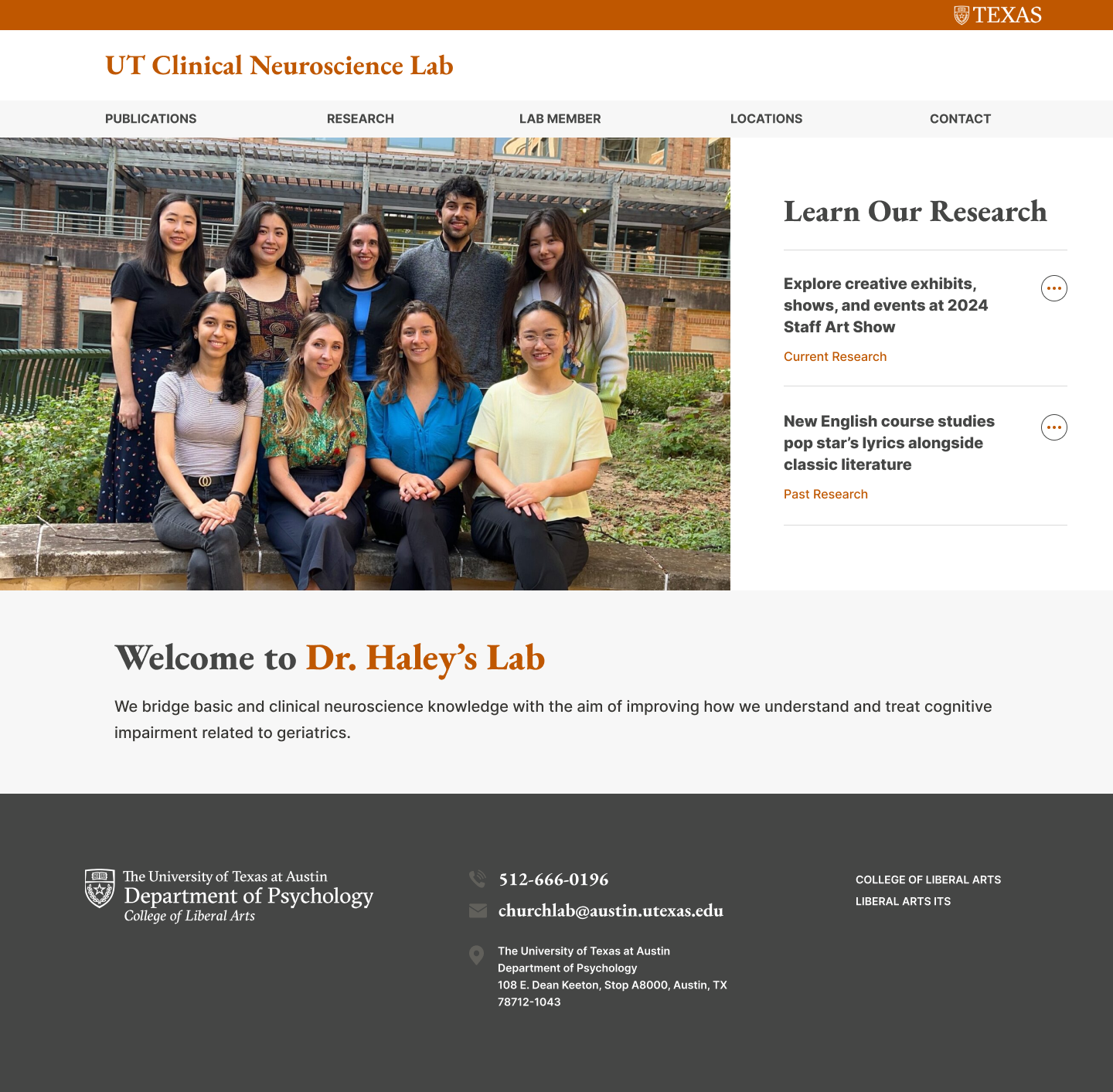
Project Description: While there are requests from the psychology lab to update their current websites, the design team and the web dev want to develop a more efficient workflow to provide several templates for the clients to choose from. The goal of creating the template is to save time in developing “customized” websites for the lab clients. Therefore, the design should be neat to fit the common sections/contents for a research lab as well as easy to develop in WordPress. While I finished my first iteration as a designer in Figma and spent some time on WordPress, we found a long learning curve for designers to implement their designs. Therefore, we held the project for a while and decided to come back to the project during spring break. This week I worked closely with Stacy and learned the platform from him directly by seeing him implement my design in real time.

New Home Page:

By watching how Stacy coded my Figma in WordPress, there are clear weaknesses in the home page version I made before spring break: the lack of consideration of responsiveness and the exclusives on the home page pictures. For UIUX design, we are unsure about how and which devices our users use to open the page. At least, we need to ensure that the page can function well in both monitor view or mobile view. With the totally different dimensions of these devices, the placement of the blockers in my old design makes it hard to deal with the background overlay photos. Specifically, if the lab manager chooses to use the group photo, the mobile view might only have one or two people are gonna showcased on the page. For the second point, since we are building the templates, we have no control over the photo choice and focal point of the photos. If the important content is placed on the right, it might be ignored due to the overlay.

Meanwhile, I changed the header design to make the tabs more inclusive about the amount of texts allowed without balanced negative and positive space.

Old chosen design:

Figma

New Iteration:

Difficulty in implementation

Although the design is revised based on the feedback from Stacy, there are still dilemmas we met during the process. For the header, the platform doesn’t allow us to evenly distributed the sub-menu. Meanwhile, how the photo should perform while the browser is extremely wide?

https://labs.la.utexas.edu/mclab-new/

Filed Under: Fall 2023 - Spring 2024, We are STAs

Week 7-8

March 21, 2024 By Raaga Srimadh

Week at a Glance

02/27-03/05

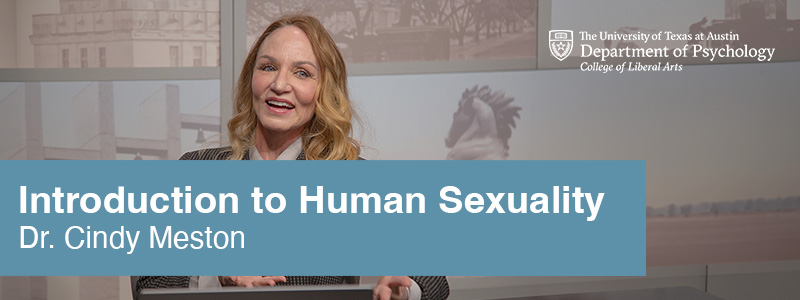
This week, I completed the PSY306 – Introduction to Human Sexuality Course Graphics, and finished the color theory and typography trainings. I also got started on the STA presentation poster.

PSY306 – Introduction to Human Sexuality

Programs: Photoshop
Mentor: De’sha Bass-McClellan

I was assigned to create a Canvas dashboard image and homepage banner, as well as the pre-roll video. These are finished and approved assets:


Color Theory Training Module

Programs: Illustrator

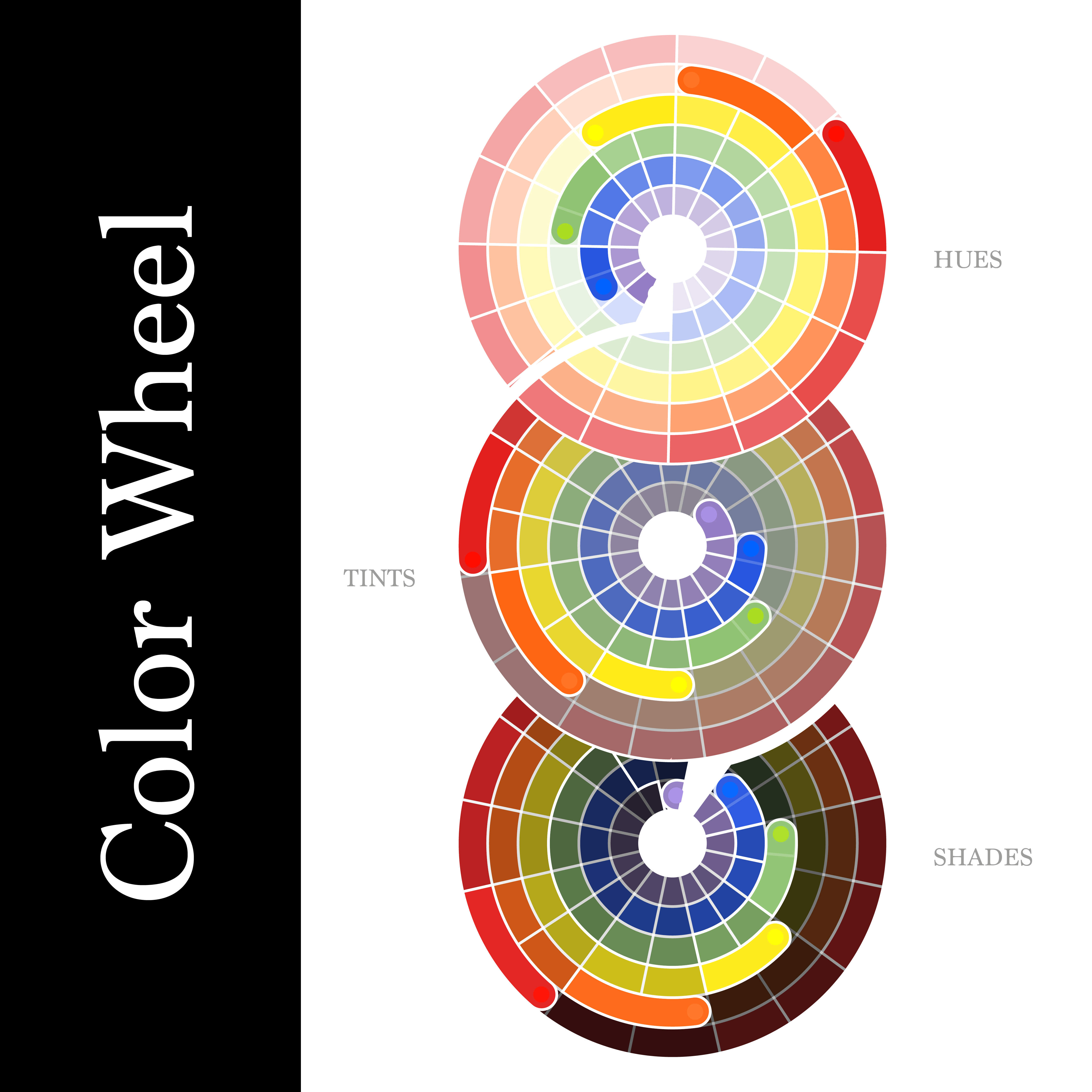
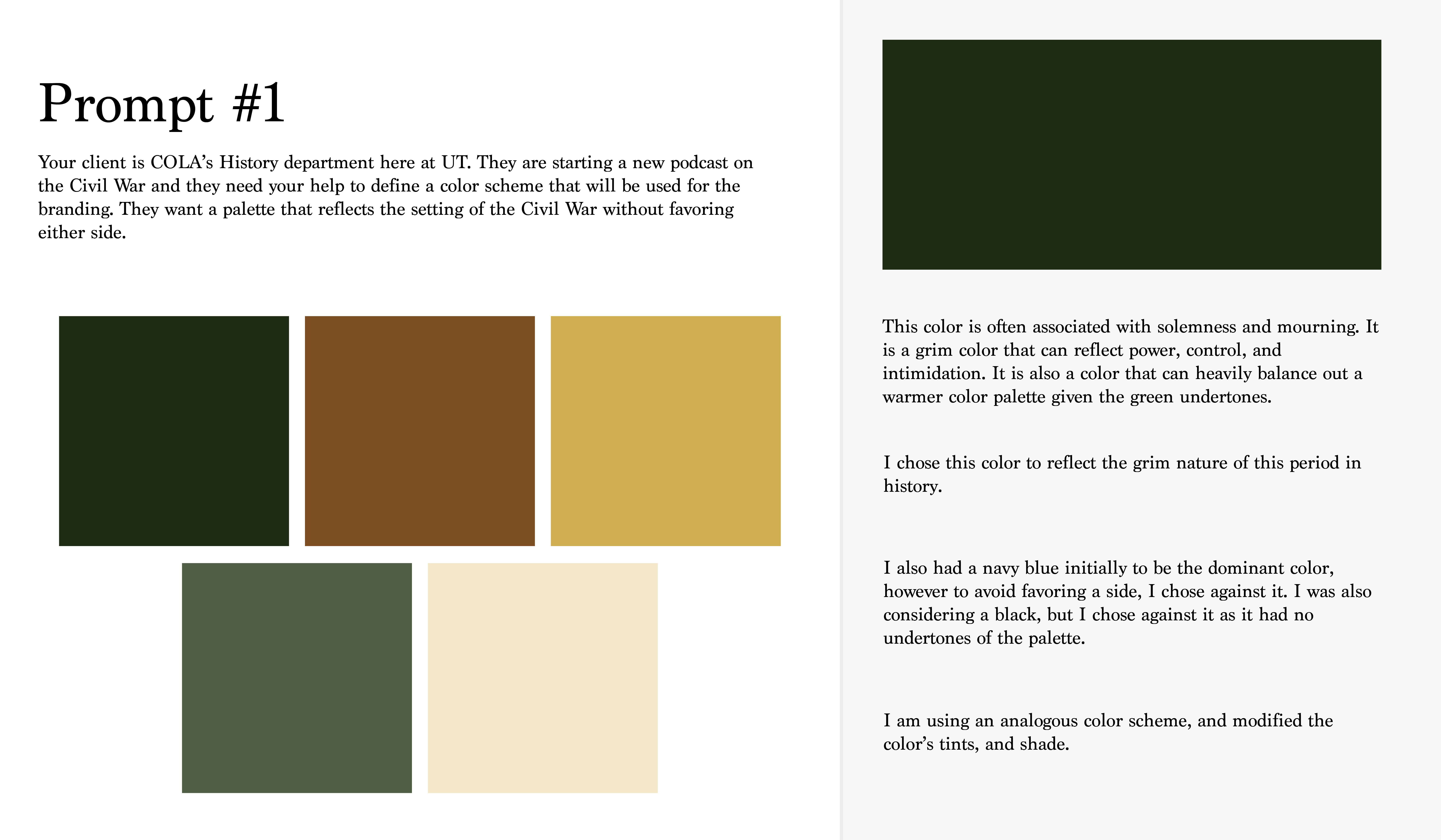
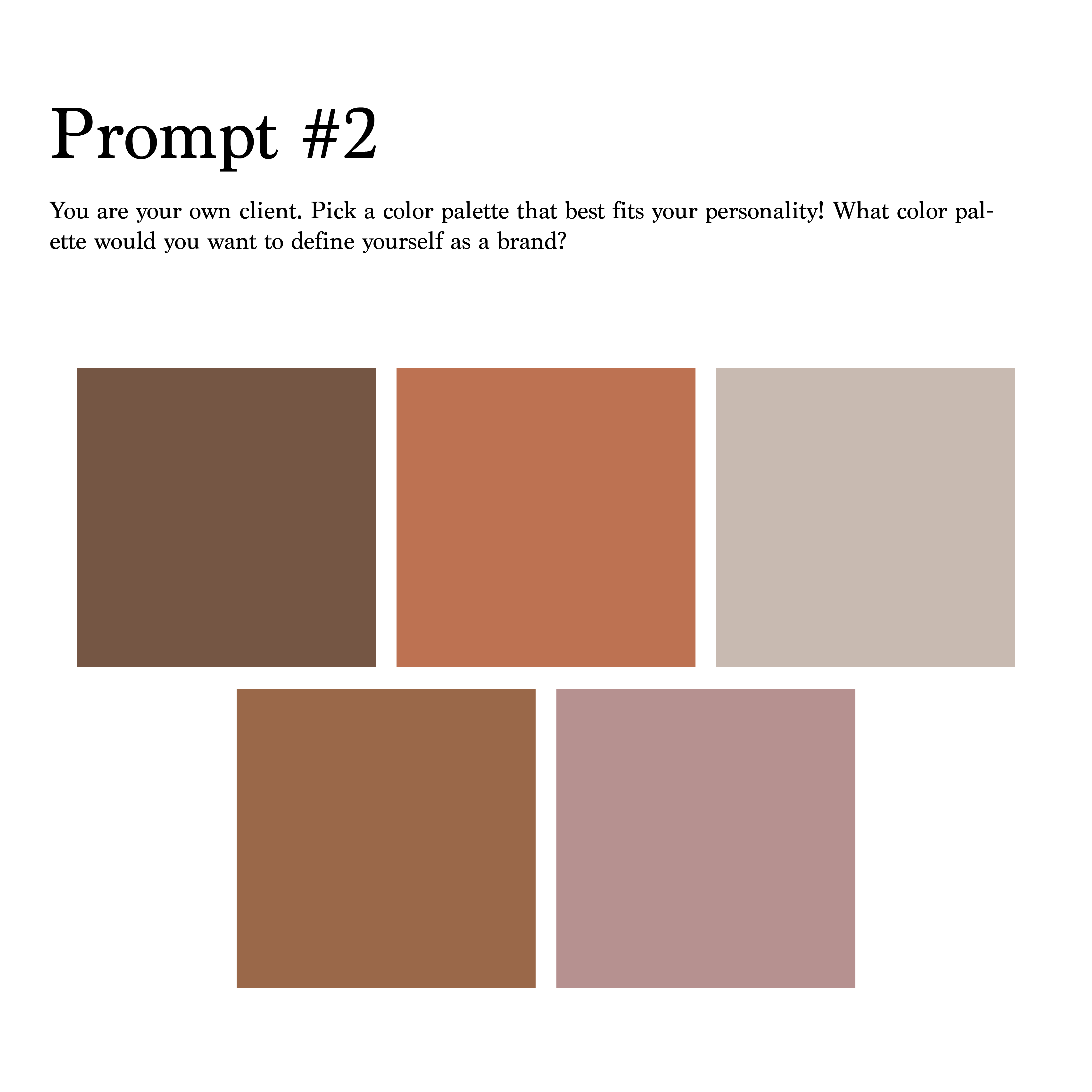
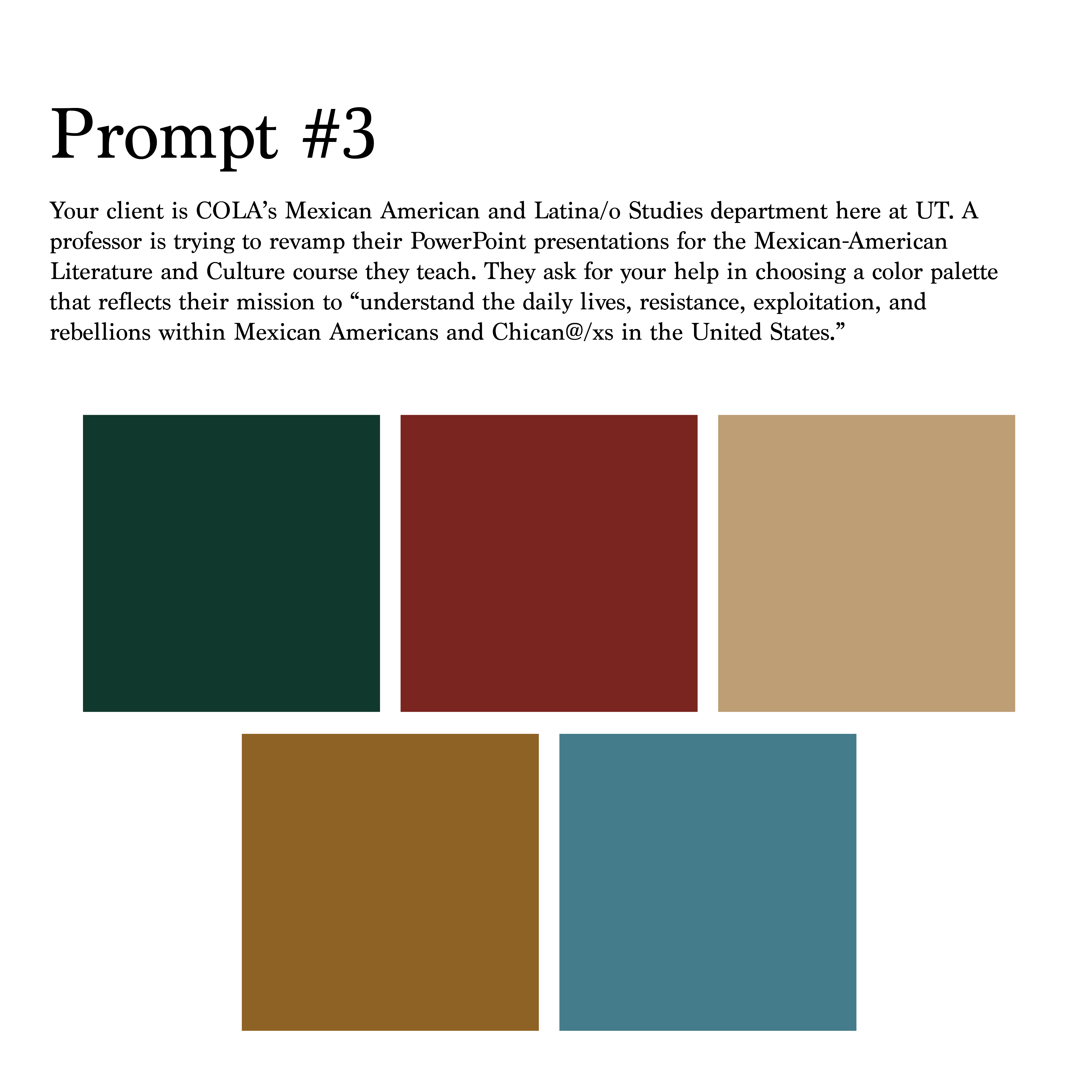
Through KB’s training page, I learned about how colors can work together to change the connotation of the design.

The first part of this training was to create a non-traditional color wheel that depicted hues, tints, and shades.


In addition to the color wheel, I created 3 color palettes based on the prompts given in the training assignment.


Typography Training Module

Programs: Illustrator

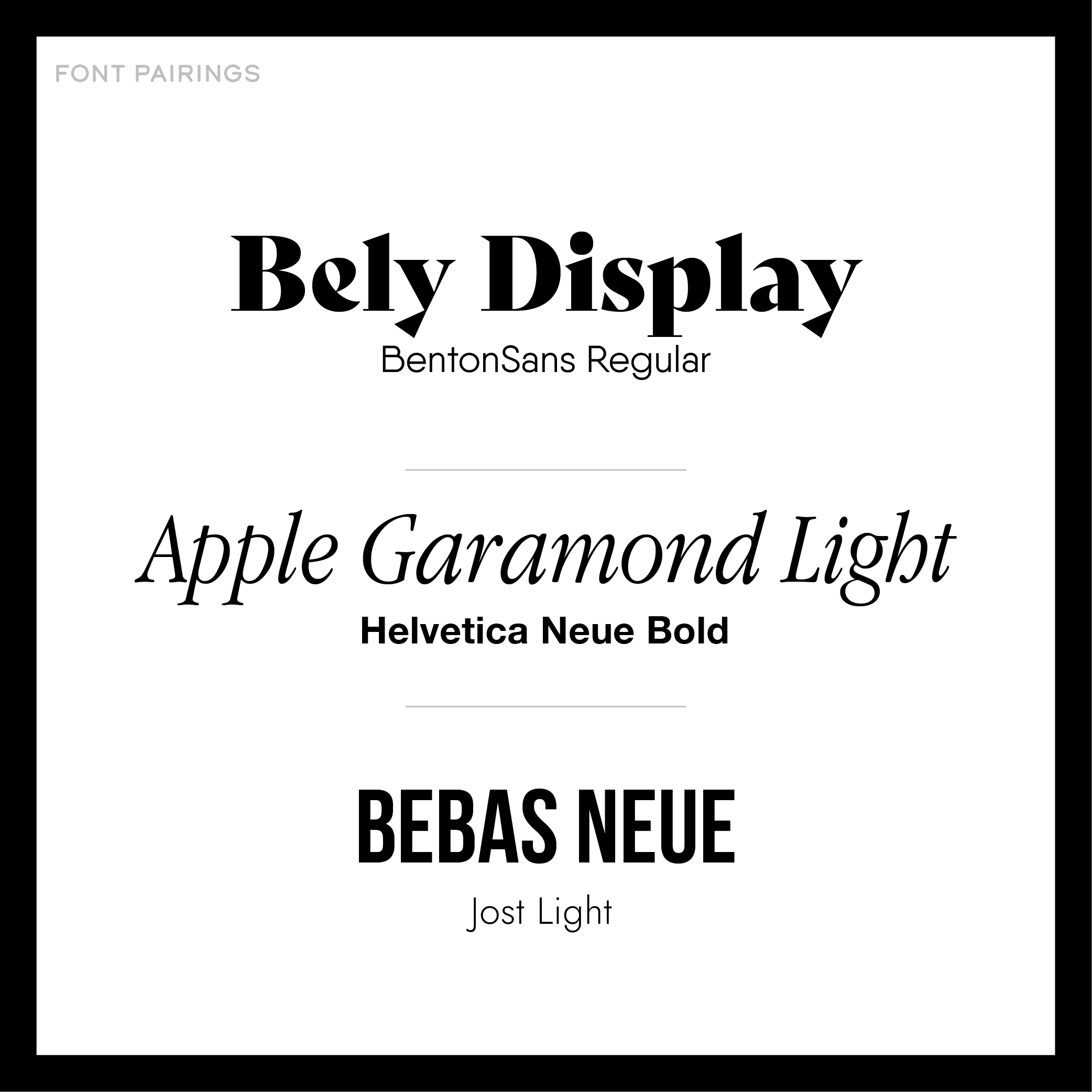
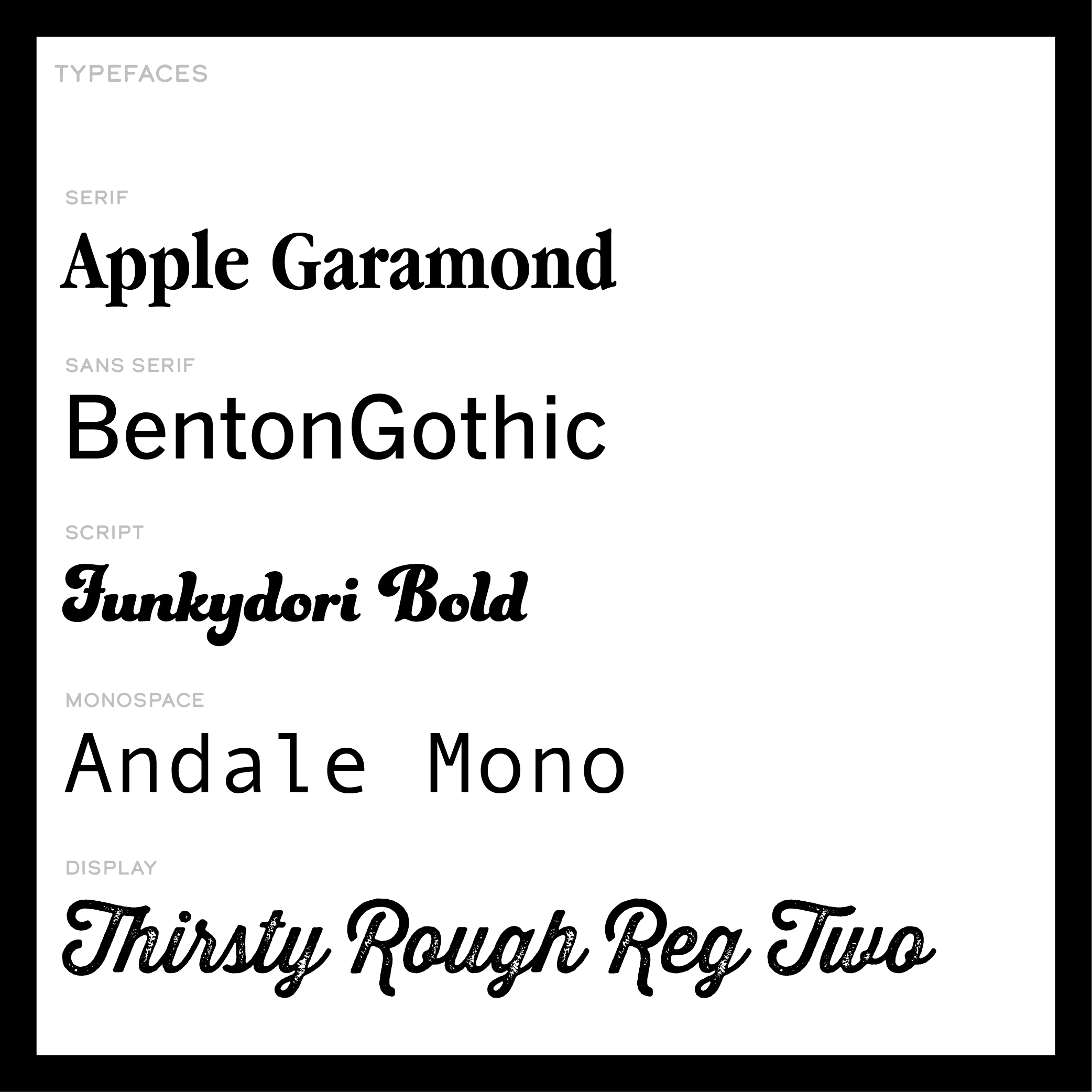
In this module, I learned about the different typefaces, and how to pair fonts.

The assets for this training included creating pairings of my own:


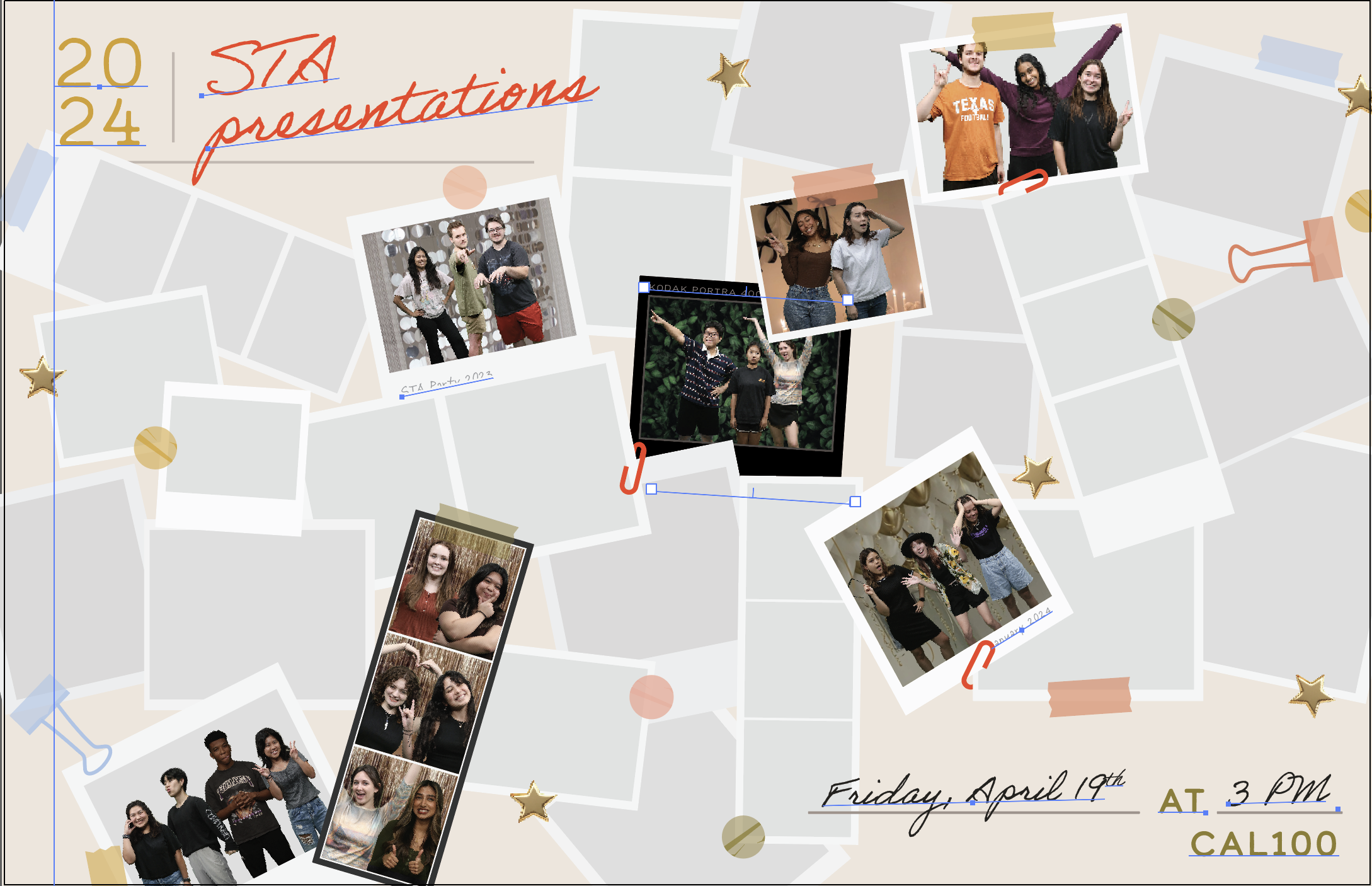
STA Presentation Poster

Programs: Illustrator
Mentor: De’sha Bass-McClellan, Leilani Cabello

Based on the inspiration I was given for this assignment, I began putting together elements for the STA poster template. I built out the basic elements to better account for the theme as well as the amount of STAs in the poster.

You can take a look at the initial process here!

Filed Under: Fall 2023 - Spring 2024

  • « Previous Page
  • 1
  • …
  • 6
  • 7
  • 8
  • 9
  • 10
  • …
  • 28
  • Next Page »

link to LAITS home page

Video STA Home

© 2025 Liberal Arts Instructional Technology Services | Production Credits