• We are STAs
    • Asha Rountree
    • Haley Ma
    • Kate Shih
    • Kyra Lee
    • Nicholas Peasley
    • Sasha Kenney
    • Shanda Horm
    • Shriya Atreya
    • Tomas Marulanda-Mesa
  • We were STAs
  • STA Presentation
    • STA Presentation 2017
    • STA Presentation 2016
  • Testimonials
  • Resources
  • Home

STA Blog

Weekly Classical Music Recommendation

October 15, 2020 By Thuy H Nguyen

Weekly Classical Music Recommendation

Okay sorry back to Liszt this week. I was debating switching to Mozart because I’m currently learning a very nice Mozart piece, but I felt like I might have more insight after learning it, so maybe later :).

This week I want to recommend Liszt’s famous Dante Sonata. This section below is paraphrased from Wikipedia.

Après une lecture du Dante: Fantasia quasi Sonata, also known as the Dante Sonata, is a one-movement piano sonata composed by Liszt in 1856. The piece is part of the second volume of his Annés de pèlerinage (Years of Pilgrimage). This work of program music was inspired by the reading of Dante Alighieri’s most famous epic poem, the Divine Comedy.

This sonata was originally a small piece entitled Fragment after Dante, consisting of two thematically related movements, which Liszt composed in the late 1830s. He gave the first public performances in Vienna, during November 1839. When he settled in Weimar in 1849, he revised the work along with others in the volume, and gave it its present title derived from Victor Hugo’s work of the same name.

The piece is divided into two main subjects, the first being a chromatic theme in D minor, which represents the wailing of souls in hell. This theme also features many tritone. The second theme is a chorale in F-sharp major, derived from the first, but now represents the joy of those in heaven, in contrast to the first. These two themes are consistent with the narrative in Dante’s Divine Comedy, which depicts the journey of souls after death according to the Roman Catholic Church’s doctrine.

The piece ends with a rapid chromatic octave section that when played at speed seems to split into three distinct themes, reflecting the three heads of Satan in Dante’s Inferno.
Filed Under: 2020 Summer | 2020 Fall

KB HTML / CSS Training

October 15, 2020 By Thuy H Nguyen

KB HTML / CSS Training

I’ve also been working on this training. Earlier this week Stacy helped me put the files I wrote locally to the server and so now I can be viewed live! You can see it here: https://laits.utexas.edu/~thn556/index.html. The special characters text looks a little funky but I’ll try to fix that up later!

Here’s the current instructions: http://sites.la.utexas.edu/kb/2020/10/12/basic-training-html-css-and-javascript/. It turns out that the most complicated part was to write up on how to ssh into the server as well as modifying the permission to make the site public (like mine above). I had Sheryl tried out the instructions since she already had VSCode installed but it seems like it didn’t work for her :(. I’ll look more into it next week.

Filed Under: 2020 Summer | 2020 Fall

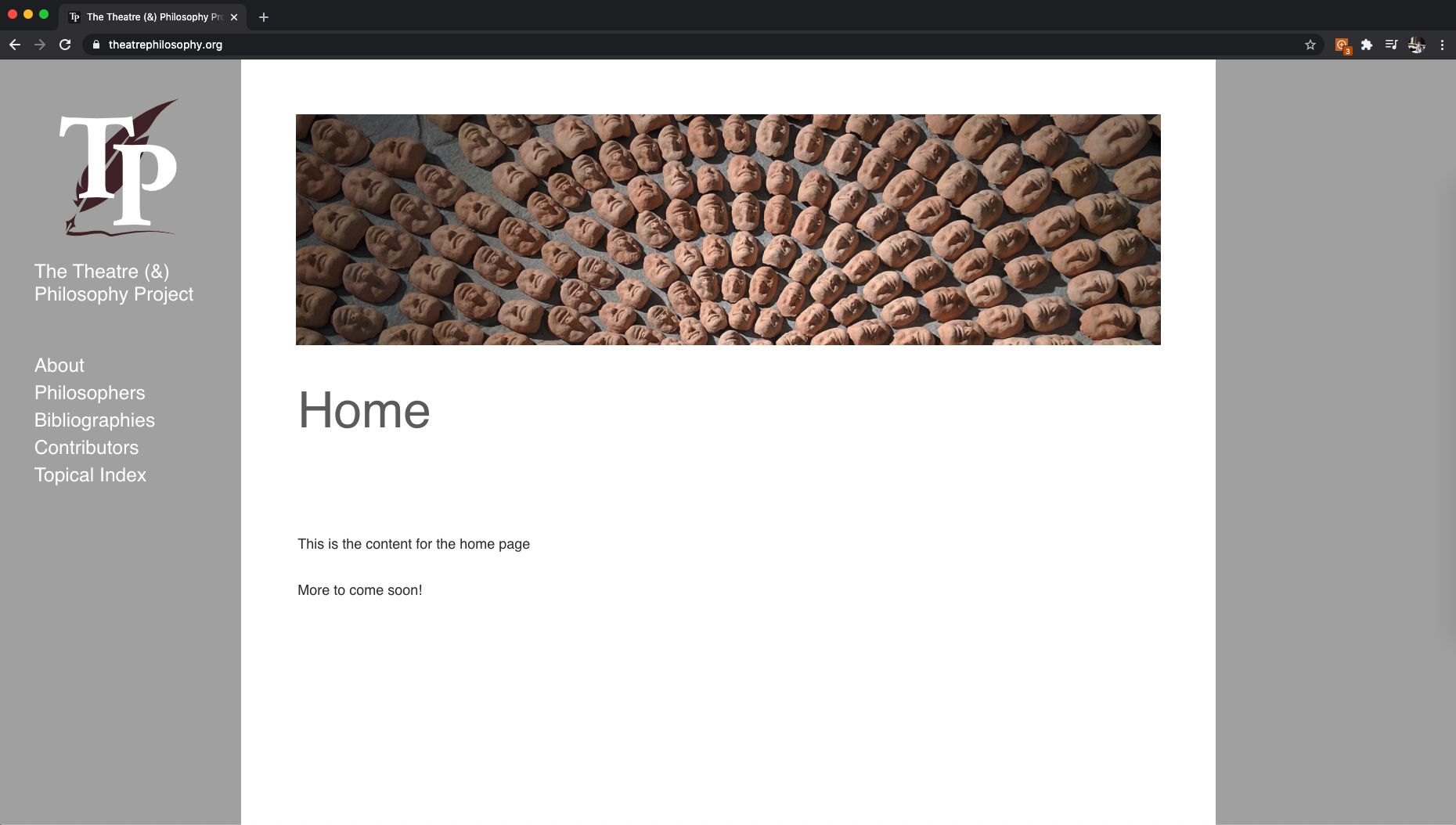
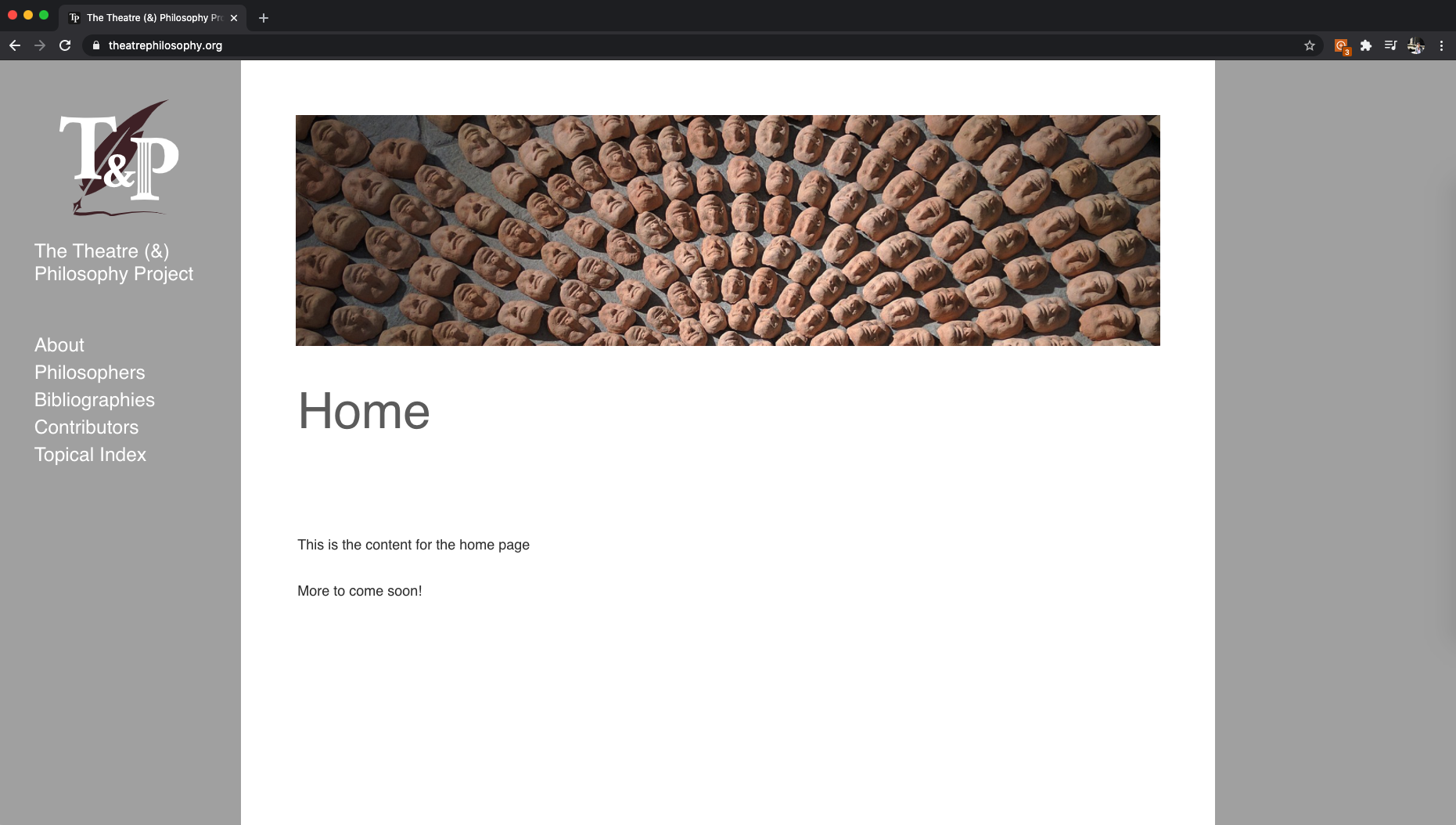
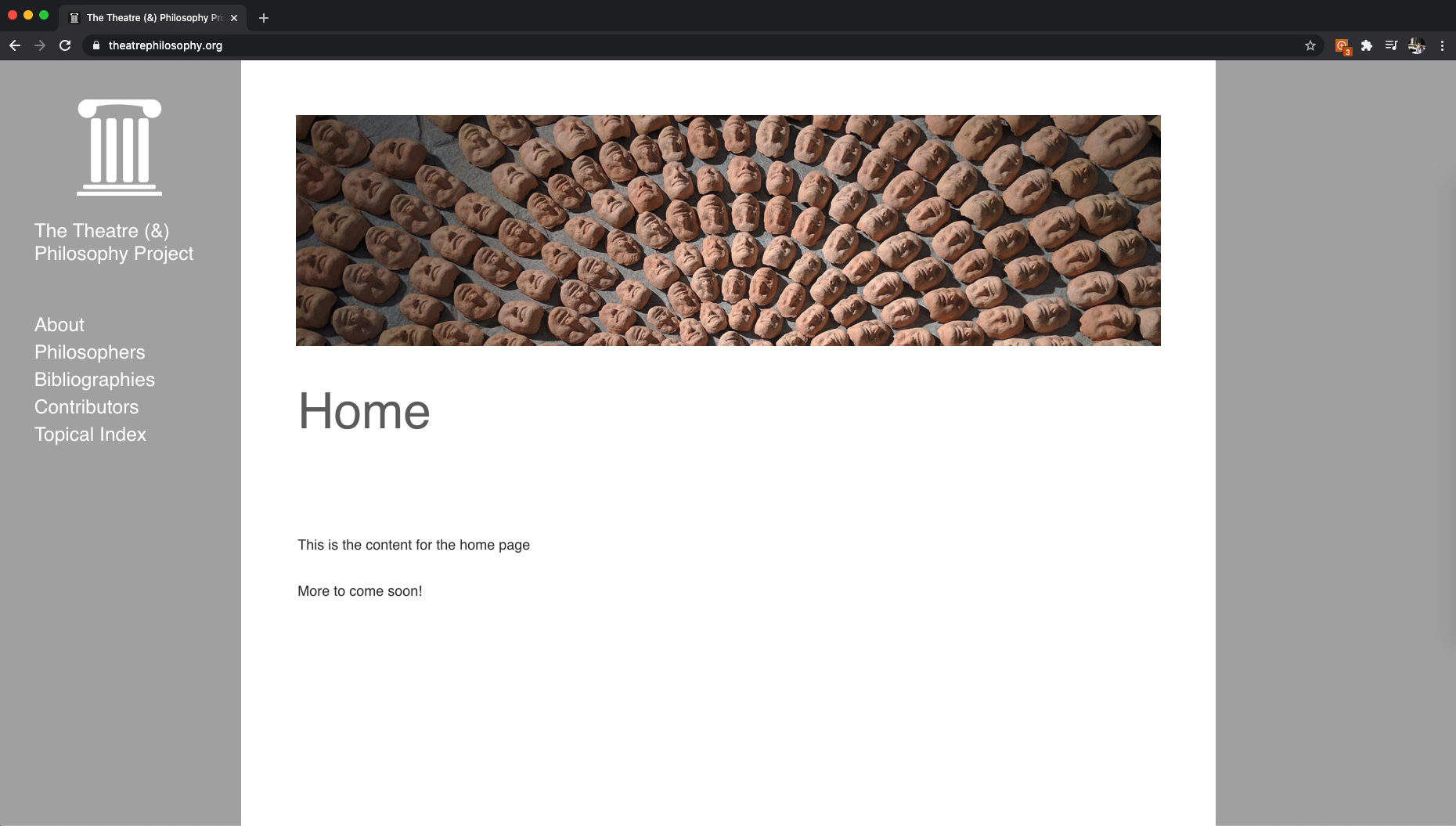
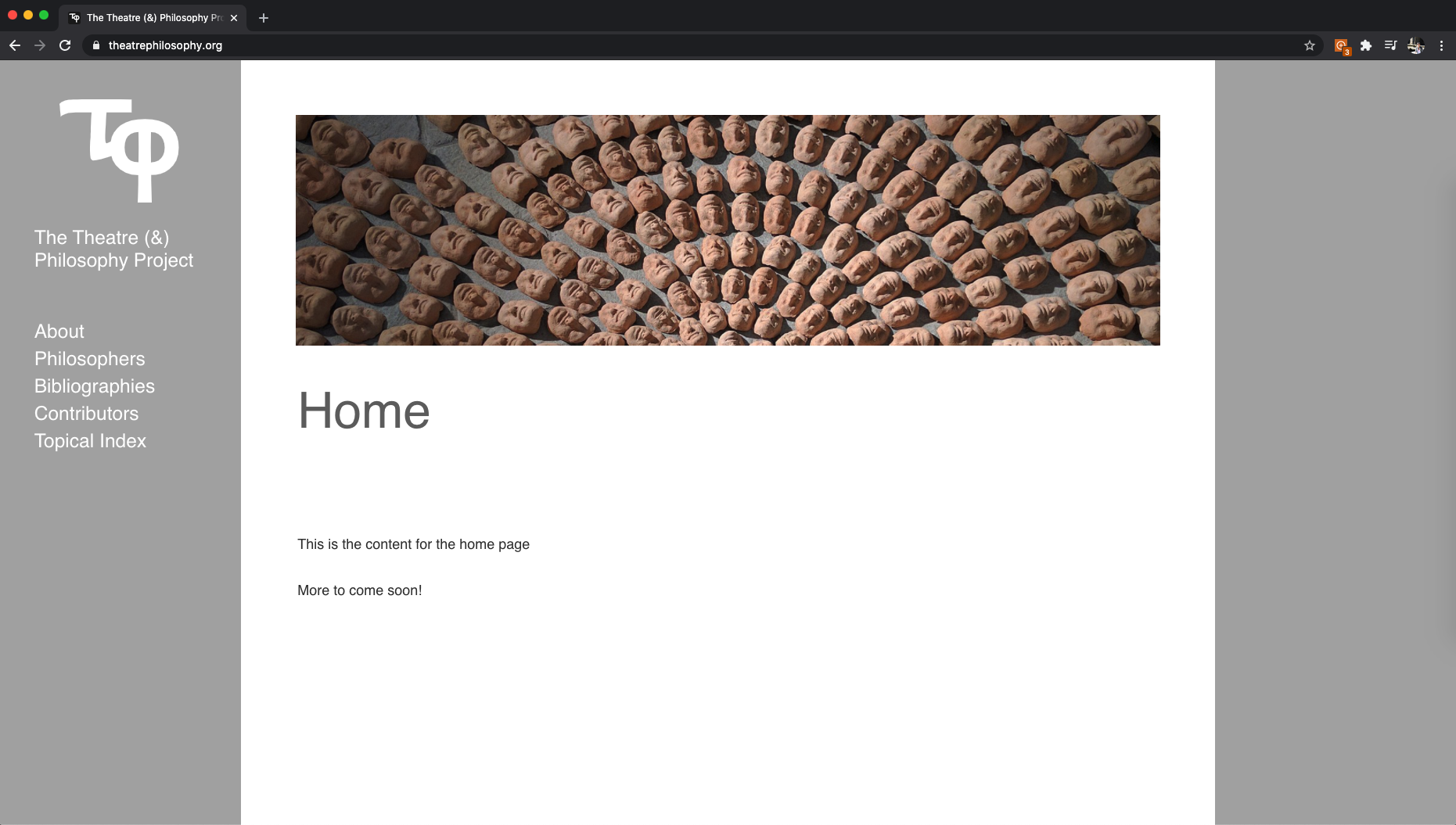
Theatre Philosophy Logo and Favicon

October 15, 2020 By Thuy H Nguyen

Theatre Philosophy Logo and Favicon

I’ve been working on some more drafts for Theatre and Philosophy website. Here are the current choices that we’ll be giving to the client.

Filed Under: 2020 Summer | 2020 Fall

A Long Overdue Update

October 13, 2020 By Angie Huang

A Long Overdue Update

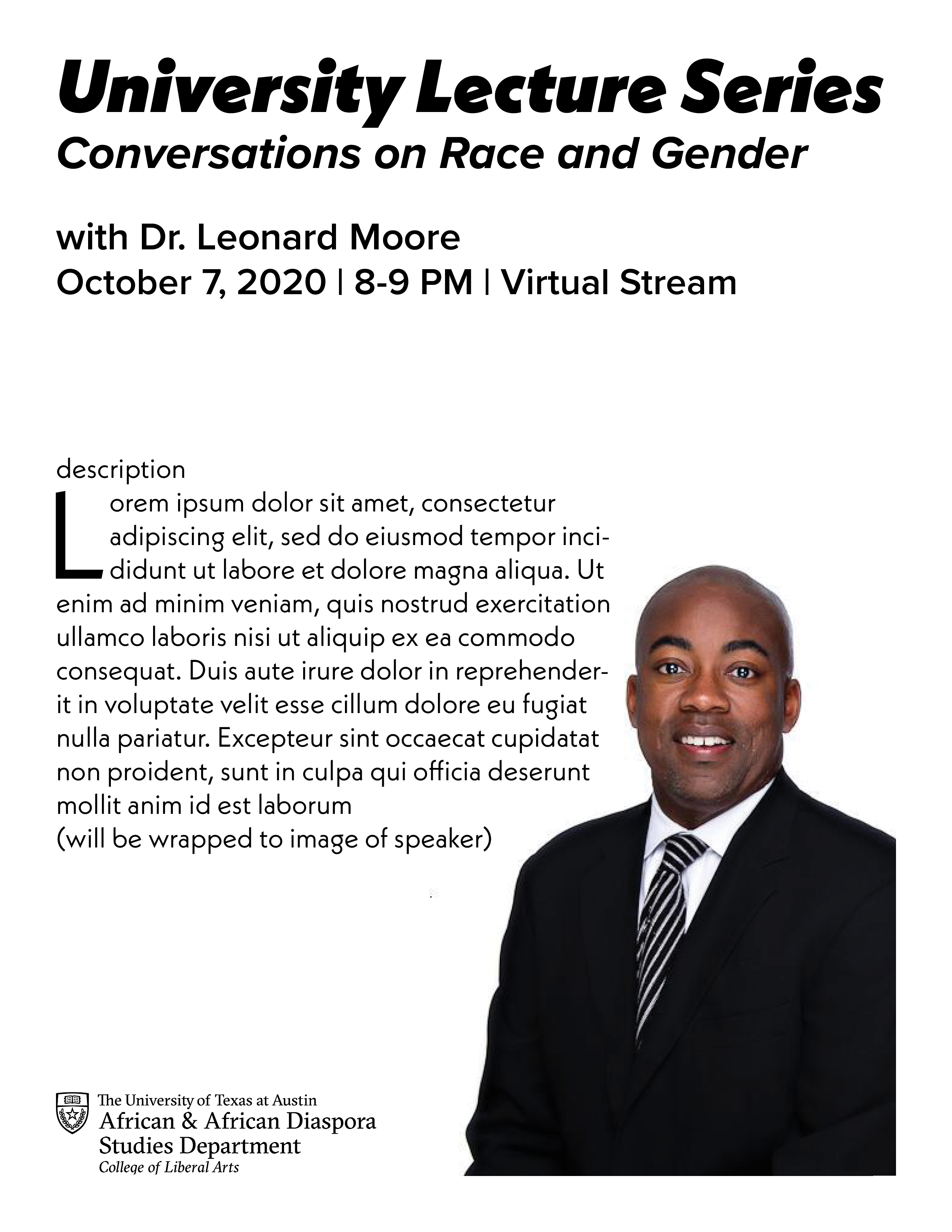
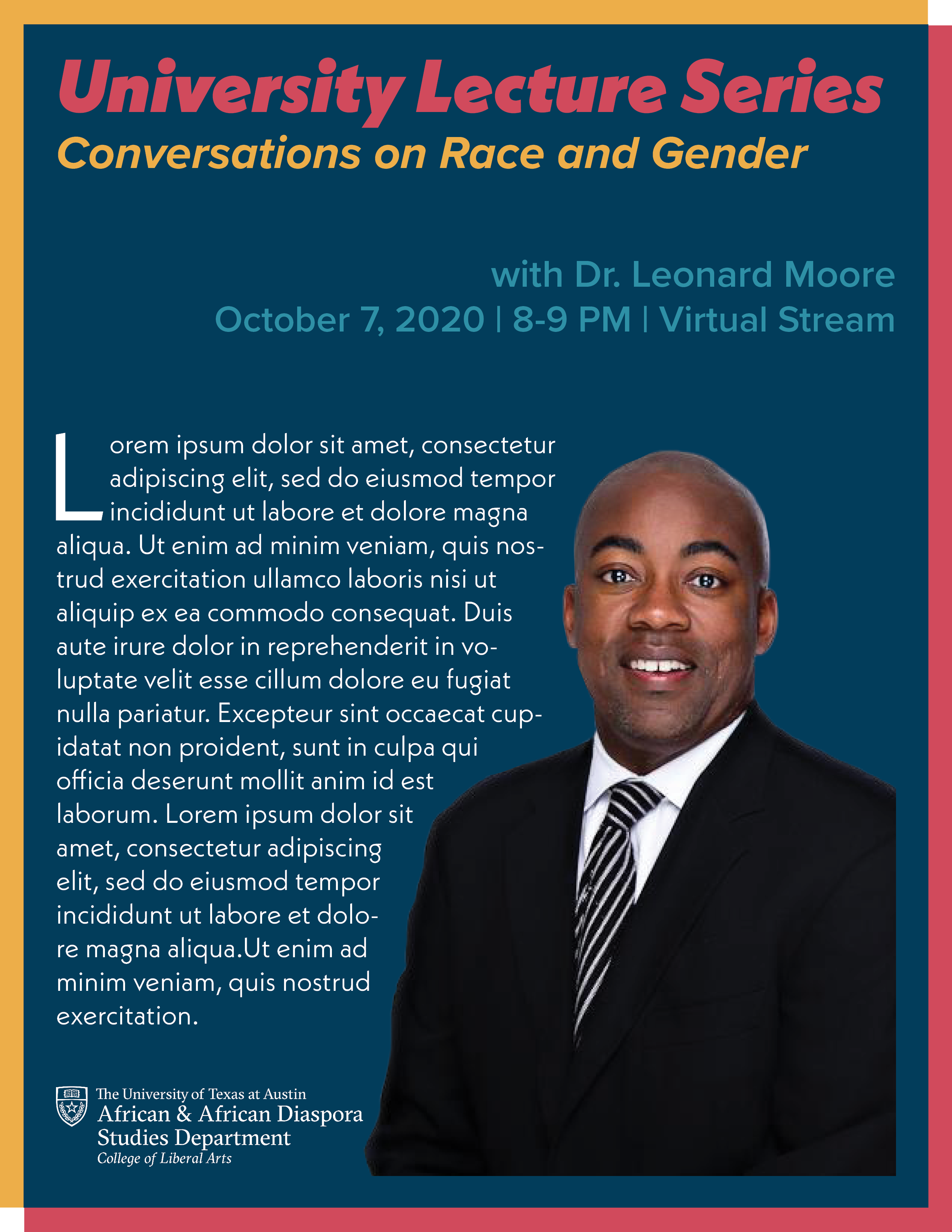
It’s admittedly been a LONG time (3 weeks lol) since I’ve posted anything to my blog, probably because work has been slow (mostly training) and I am STILL working on Canvasser :’) I’ve also been working on COLA web editor chatbot training and the COLA Faculty/Staff/Grad Students Profile Picture Initiative, which I can’t share any neat visual progress for 🙁 BUT some of my recent studio graphic works were shown at a meeting with other LAITS departments and this was the complete design menu:

Studio Graphics

In the last week or two, I also completed the PSD cutout and color correction training- and I am currently working on the continued Indesign training, here are some visuals 🙂

Photoshop Cutouts


Photoshop Color Correction

Indesign Training

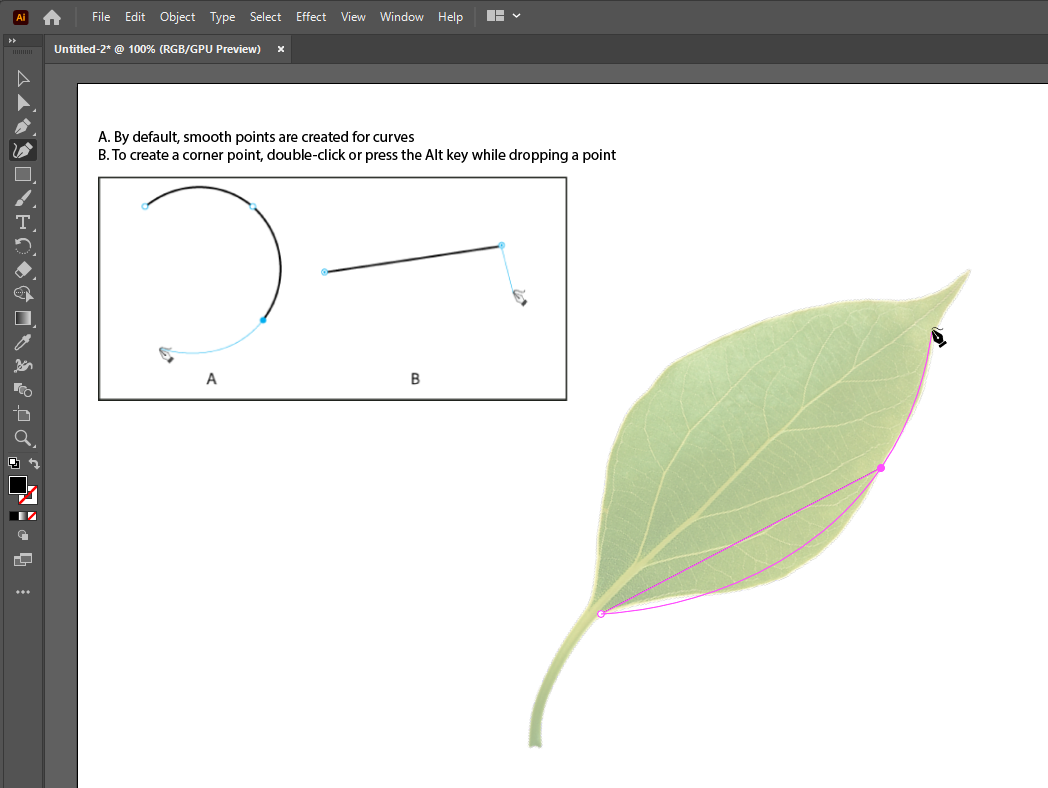
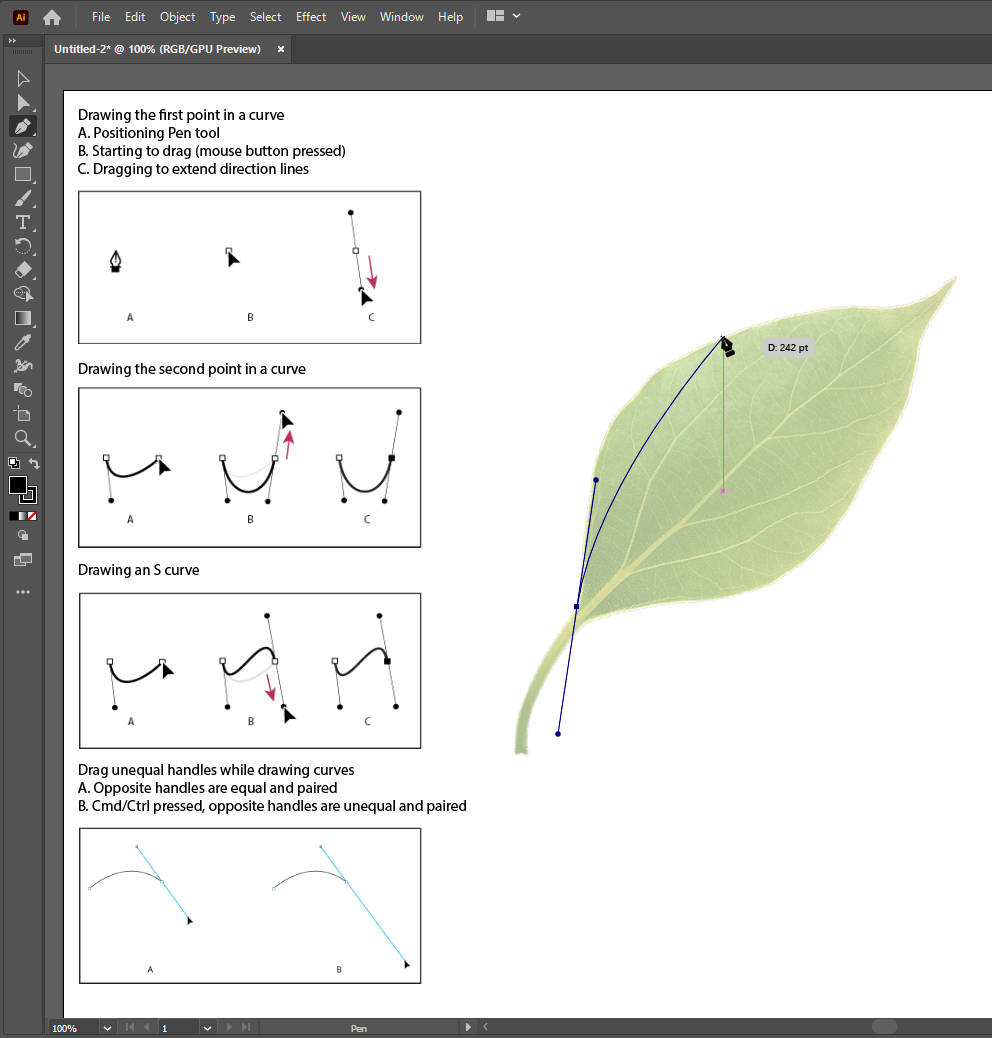
Lastly, I’ve been developing an infographic training assignment on Adobe Illustrator with Megan 🙂 This week I drafted instructions on how to use the pen/curvature tool to create vector illustrations, here are some of the images for the KB.

Infographic Training In Development


Filed Under: 2020 Summer | 2020 Fall

Religiology Logo

October 12, 2020 By Athena Zeng

Logo Design for Religiology

I was assigned to work on a logo for the Religiology department. The clients provided us with a design brief that included a color palette, 240×240 dimension requirements, and two sketches for inspiration (see below). Using Illustrator and Photoshop, I created several drafts and made edits as I received feedback. I’m going to walk through my thought process and some of the feedback. This is still ongoing.

^ Sketches provided for inspiration ^

Here are the first two drafts I made. These first few drafts were intimidating because it felt like there were so many possible things to do. So I took the rhombus shapes from the sketches provided and used that as a guiding force. The feedback I received was that the logos were too complex for easy visibility. Also, Suloni and Valerie wanted to see me use a different shape and use the new, brighter color palette . I also stopped using Photoshop and switched to Illustrator, which I probably should have started out with.

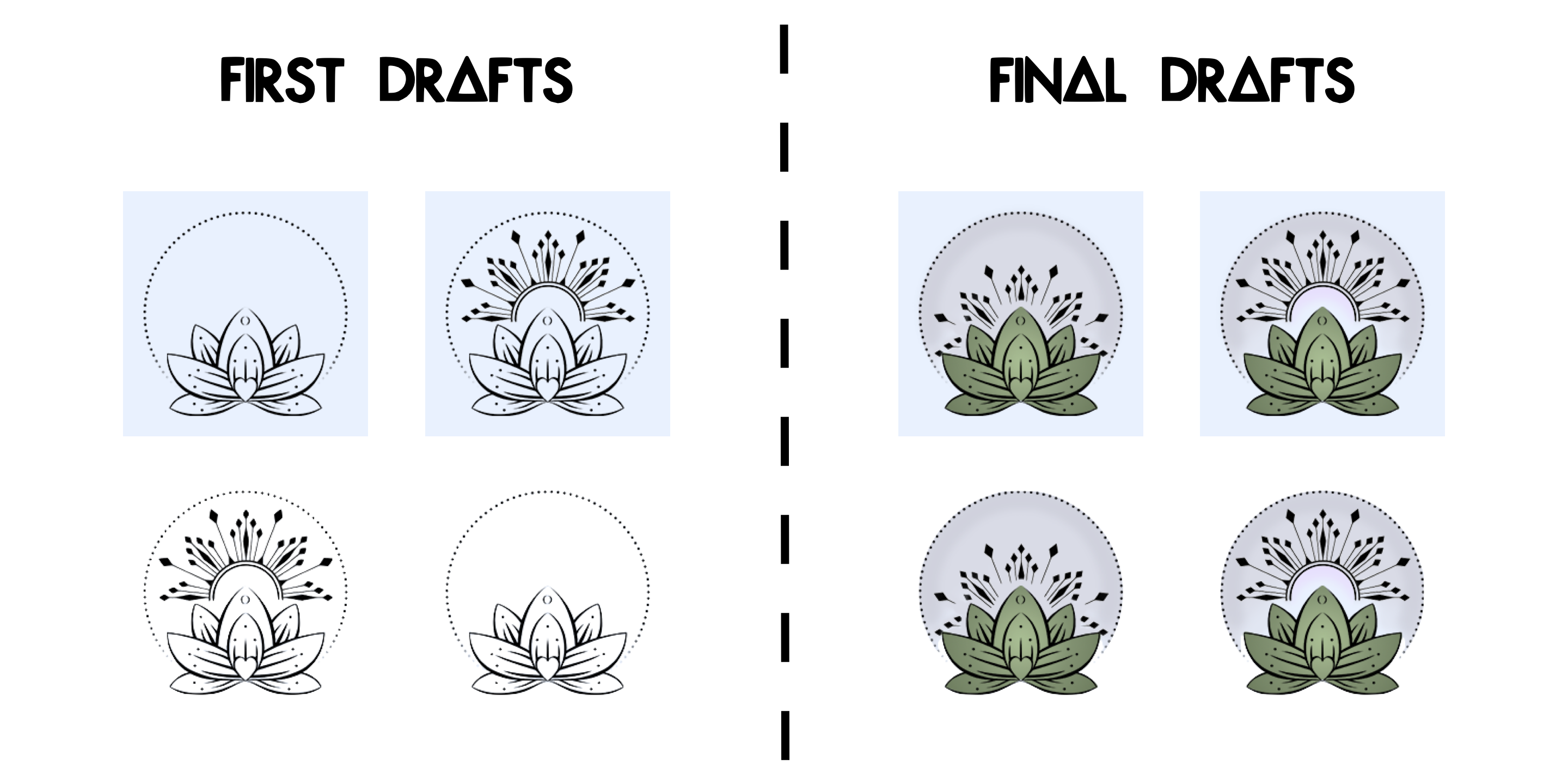
Here is the third draft I made, I am not really sure what my thought process was, but I was playing around with different shapes and the circle seemed spiritual in a way, like the circle of life. When the overlapping circles happened to make the shape of a crescent moon, it made sense to me because the moon also seemed spiritual.  Then, I placed a plant inside to tie in some of the client sketches. Based on the AI Logo training Valerie assigned me, I tried to focus on visibility and balance.

After deciding to do a little more reading into what religion entails, I made this fourth draft. Religion is highly centered around belief and rituals, so I decided to make something with repetition in mind. Also, I read that salvation is very important in religion so as the iterations continued, I tried to kind of create an S shape and but that’s not very relevant. I ordered the colors in the palette from gray at the bottom to greenest at the top because I thought that it could symbolize something with belief in a higher power. I don’t think this logo makes sense.


Valerie and Maddy later sent me suggestions that helped me make this fifth draft. They told me to be wary of balanced and aligned curves that follow the shape of the other shapes. For example, in my third draft, the plant stem does not follow the shape of the circle, which is distracting. They also recommended I use black and white then adjust later.

That’s it for now, still working on this and Clio. And I will add that school is not easy! Have a good week.

Filed Under: 2020 Summer | 2020 Fall

Religiology Logo

October 12, 2020 By Cristina Villarreal Núñez

Religiology Logo

For this project, I was asked to design two different ideas for a new logo that would be used in the website for Religious Studies at UT. To start, I was given a color palette and two sketches to give myself an idea of what to design. These were those sketches:

However, the first color palette was way too dark, so in the meantime I designed my first batch of drafts.

I knew I wanted to incorporate at least one of those sketches into my designs because they looked really cool and gave my a sense of what I could work with. So I went with the one on the right and started to work. Eventually when I got the new color palette I adapted my designs to it and created two new versions of them that really ended up liking. What do you think?

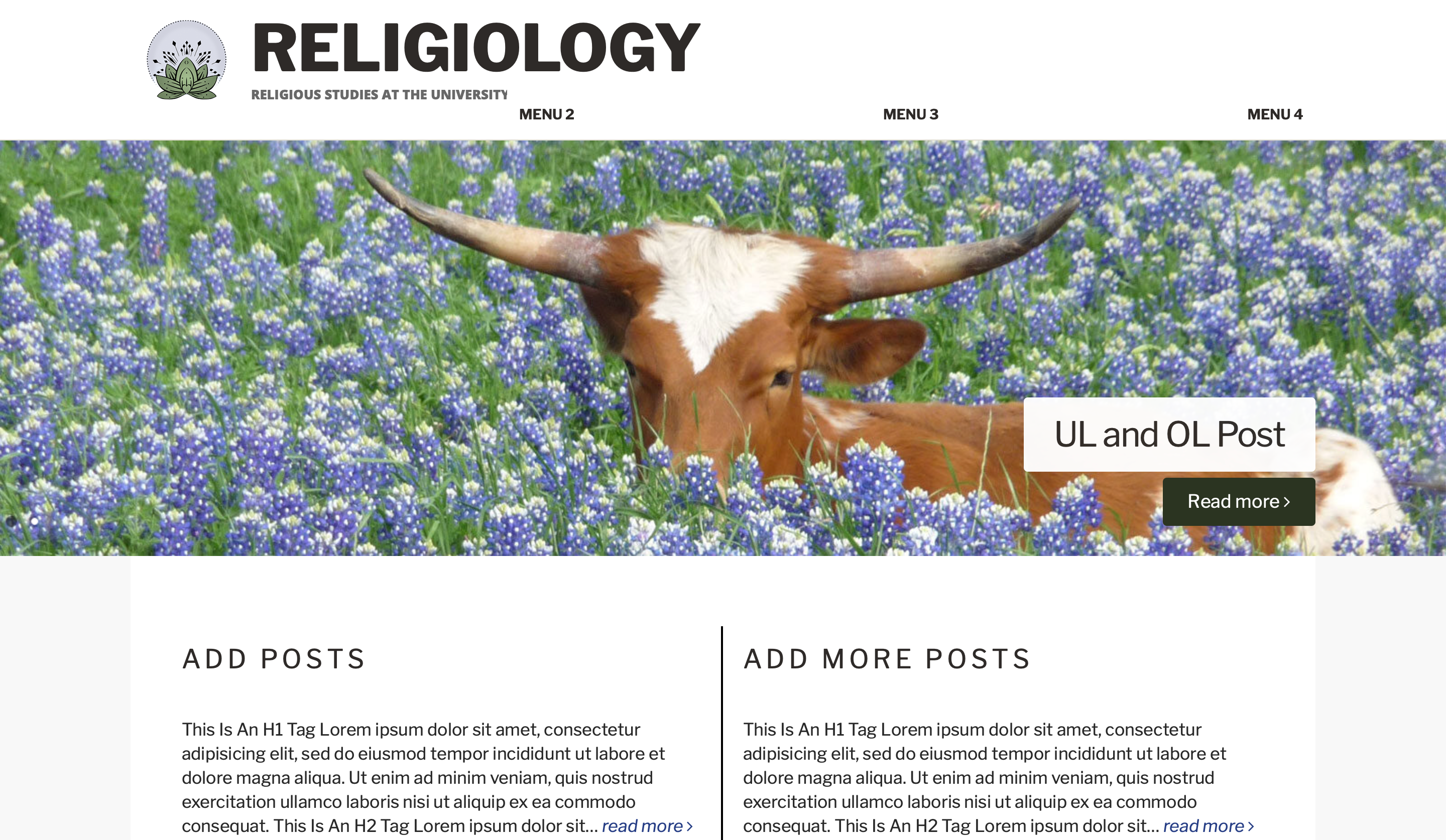
I even made a few mockups of what the logos would look like in context. This is one of them:

Filed Under: 2020 Summer | 2020 Fall

  • « Previous Page
  • 1
  • …
  • 20
  • 21
  • 22
  • 23
  • 24
  • …
  • 50
  • Next Page »

link to LAITS home page

Video STA Home

© 2025 Liberal Arts Instructional Technology Services | Production Credits